Keto Diet Benefits That Will Transform Your Health
By Joe Russell
Published October 30, 2025

The ketogenic diet has evolved from a niche wellness trend into a serious health optimization strategy embraced by biohackers, health-conscious professionals, and people seeking systematic approaches to metabolic wellness. Whether you're curious about the science behind ketosis or ready to explore how a ketogenic approach might support your specific health goals, this guide offers evidence-based insights and practical implementation strategies.
Let's dive into what makes the ketogenic diet such a compelling protocol for health transformation, backed by both scientific research and real-world results from the alternative health community.
What Is the Ketogenic Diet?
The ketogenic diet is a high-fat, moderate-protein, low-carbohydrate eating protocol designed to shift your body's primary fuel source from glucose to fat-derived ketone bodies. This metabolic state, called ketosis, represents a fundamental change in how your body produces and uses energy—one that many health optimizers find creates measurable improvements in weight, mental clarity, and overall metabolic markers.
Unlike restrictive diets that focus purely on calorie counting, the ketogenic approach works with your body's natural metabolic processes. By dramatically reducing carbohydrate intake (typically to 20-50 grams daily), you trigger a cascade of metabolic changes that affect everything from hunger hormones to cognitive function.
How Ketosis Works
When you reduce carbohydrate intake, your liver begins converting fat into ketone bodies through a process called ketogenesis. These ketones—acetoacetate, beta-hydroxybutyrate, and acetone—become your body's preferred fuel source, particularly for your brain and muscles.
Here's the timeline you typically experience:
- Days 1-3: Carbohydrate depletion begins; glycogen stores diminish
- Days 3-7: Your body initiates ketone production; some people experience the "keto flu" as their body adapts
- Days 7-14: Fat adaptation progresses; ketone production increases; many report improved energy and mental clarity
- Weeks 3-4+: Full ketosis established; metabolic flexibility improves; energy stabilizes
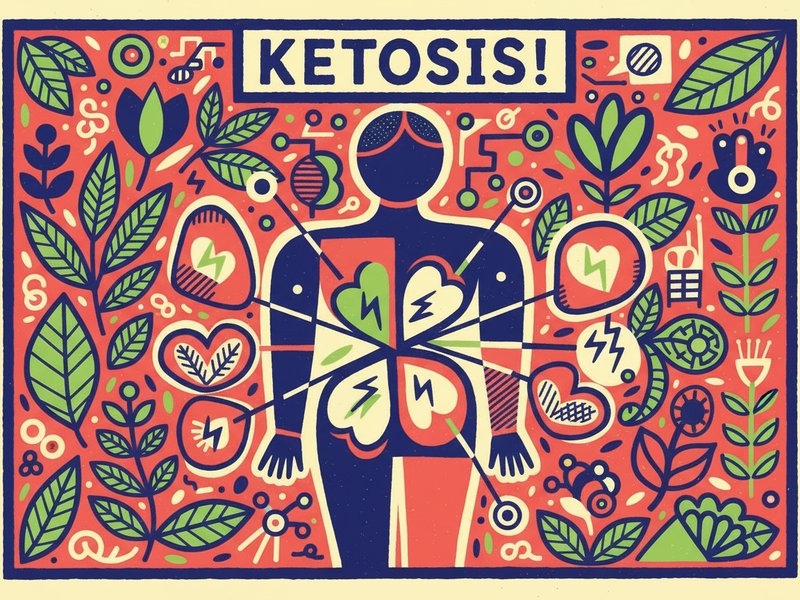
Individual variation is significant. Some people enter ketosis within days; others require two weeks or more. Genetics, activity level, baseline carbohydrate tolerance, and metabolic health all influence your personal adaptation timeline.
Common Keto Approaches
The ketogenic protocol isn't one-size-fits-all. Different approaches serve different goals and lifestyles:
Standard Ketogenic Diet (SKD): The most common approach—approximately 75% fat, 20% protein, and 5% carbohydrates. This works well for steady weight loss and mental clarity without high athletic demands.
Cyclical Ketogenic Diet (CKD): Alternates between ketogenic days and higher-carbohydrate days (typically one to two days weekly). Athletes and biohackers often use CKD to support intense training while maintaining many ketogenic benefits.
Targeted Ketogenic Diet (TKD): Incorporates small amounts of carbohydrates around workout windows—typically 25-50 grams consumed one to two hours pre-exercise. This approach bridges the gap between full ketosis and athletic performance optimization.
High-Protein Ketogenic Diet: Increases protein intake to 30-35% of calories while reducing fat accordingly. Useful for muscle preservation, satiety enhancement, and certain health conditions.
Weight Loss and Body Composition Benefits
One of the most compelling aspects of the ketogenic diet for many people is sustainable, efficient weight loss without the constant hunger that plagues most calorie-restricted diets. This isn't simply about eating fewer calories—it's about metabolic optimization that naturally reduces appetite while preserving muscle mass.
Why Keto Suppresses Appetite
The ketogenic diet influences appetite through multiple biological mechanisms:
Satiety Hormones: Ketogenic diets increase glucagon and peptide YY (PYY) while reducing ghrelin (the "hunger hormone"). Fat and protein are inherently more satiating than carbohydrates—they signal fullness more effectively at the neurological level.
Stable Blood Sugar: Without carbohydrate-driven blood sugar spikes and crashes, you avoid the reactive hunger that follows glucose rollercoasters. Many people report that mid-afternoon cravings and energy crashes simply disappear on ketogenic protocols.
Ketone-Induced Appetite Suppression: Ketone bodies themselves appear to have appetite-suppressing properties, independent of calorie restriction. Beta-hydroxybutyrate may signal satiety directly to your brain.
Reduced Insulin Stimulation: Constant carbohydrate intake drives frequent insulin spikes, which promote fat storage and hunger. Lower carbohydrates mean lower, more stable insulin levels—this metabolic environment favors fat utilization and reduced appetite.
The practical result: many people find they naturally eat fewer calories on ketogenic protocols without conscious restriction or hunger. Weight loss becomes almost effortless compared to traditional calorie-counting approaches.
Metabolic Rate and Fat Burning
A common myth suggests that low-carb diets slow metabolism. The opposite is often true, particularly when properly implemented with adequate protein.
Thermic Effect of Protein: Protein has a high thermic effect—your body burns 20-30% of protein calories during digestion, compared to 5-10% for carbohydrates. Ketogenic diets naturally include higher protein proportions, which increases daily calorie expenditure.
Metabolic Flexibility: Fat adaptation improves your body's ability to efficiently shift between fuel sources. This metabolic flexibility enhances endurance, reduces energy crashes, and supports sustainable energy production throughout your day.
Mitochondrial Optimization: Ketone-driven metabolism appears to improve mitochondrial function—the powerhouses of your cells. Enhanced mitochondrial efficiency translates to better energy production, improved recovery, and potentially increased longevity.

For sustainable weight management, ketogenic approaches offer a compelling advantage: the metabolic benefits persist without requiring constant willpower or severe restriction. This aligns perfectly with the biohacker philosophy of working with your biology rather than against it.
Mental Clarity and Cognitive Performance
Perhaps surprisingly to those new to ketosis, many people report that their most dramatic improvements occur in mental function rather than physical changes. Brain optimization represents one of the most compelling reasons biohackers and health-conscious professionals explore ketogenic protocols.
Ketones and Brain Health
Your brain is metabolically expensive—consuming approximately 20% of your body's total energy despite representing only 2% of body weight. During ketosis, your brain efficiently utilizes ketone bodies as fuel, and research suggests this may offer cognitive advantages beyond simple energy provision.
Superior Fuel Source: Ketones produce more ATP (cellular energy) per unit of oxygen than glucose. This means your brain gets more usable energy from ketones, potentially supporting enhanced cognitive function and sustained mental performance.
Neuroprotection: Beta-hydroxybutyrate, the dominant ketone body, appears to have direct neuroprotective properties. Research explores potential benefits for cognitive decline prevention and neurodegenerative disease management, though this research remains ongoing.
Reduced Neuroinflammation: Some evidence suggests ketogenic metabolism may reduce neuroinflammatory markers, which are increasingly implicated in cognitive decline and neurodegenerative conditions.
GABA Enhancement: Ketones may increase GABA (gamma-aminobutyric acid), a calming neurotransmitter associated with reduced anxiety and improved emotional regulation.
Enhanced Focus and Productivity
The practical cognitive benefits many people experience on ketogenic protocols include:
- Sustained Focus: Without blood sugar crashes, you maintain concentration for extended periods—ideal for deep work, creative projects, or demanding intellectual tasks
- Reduced Brain Fog: The post-lunch mental slump many people experience on standard diets often disappears entirely during ketosis
- Improved Memory: Anecdotal reports from biohackers frequently mention enhanced memory consolidation and recall
- Mental Energy: Many report feeling "sharper" and more mentally agile on ketogenic protocols
For professionals, students, and creative workers, these cognitive enhancements often become the primary reason for maintaining ketogenic protocols long-term—even after achieving weight loss goals.
Energy Levels and Physical Performance
A common concern about ketogenic diets involves athletic performance. Many people wonder whether reducing carbohydrates might compromise energy levels or exercise capacity. The reality is more nuanced and depends significantly on your specific protocol and adaptation phase.
Endurance and Stamina
For endurance-based activities, ketogenic approaches often provide surprising advantages:
Superior Endurance Fuel: Fat is a far more abundant fuel source than carbohydrates. While your carbohydrate storage is limited (roughly 2,000 calories of glycogen), your body stores virtually unlimited fat energy. Fat adaptation trains your body to efficiently tap this enormous fuel reserve, supporting extended endurance without hitting "the wall."
Mitochondrial Adaptation: Ketogenic training improves mitochondrial density and oxidative capacity—the aerobic machinery that powers endurance activities. Many endurance athletes report improved performance after fat adaptation, particularly in longer events.
Reduced Bonking: The "bonk" or energy crash occurs when glycogen depletes. Since ketogenic athletes rely primarily on fat oxidation, this phenomenon becomes less common, enabling more consistent pacing across extended efforts.

Recovery and Muscle Preservation
Muscle preservation during weight loss is crucial for maintaining metabolic health and physical capability. Ketogenic protocols, when implemented with adequate protein, support muscle retention remarkably well:
Protein Priority: On ketogenic diets, protein remains relatively high (typically 20-25% of calories), which strongly supports muscle protein synthesis and prevents muscle loss during weight reduction.
Anabolic Environment: While in caloric deficit, ketogenic metabolism appears to preserve muscle mass better than standard low-fat dieting, likely due to improved hormone profiles and efficient protein utilization.
Recovery Optimization: Many athletes report faster recovery and reduced delayed-onset muscle soreness (DOMS) on ketogenic protocols, potentially due to reduced inflammation and improved energy substrate availability.
For high-intensity training (CrossFit, strength training, sprinting), cyclical or targeted ketogenic approaches often work better than strict standard ketogenic protocols, allowing carbohydrate support during intense efforts while maintaining most ketogenic benefits.
Blood Sugar Control and Metabolic Health
Beyond weight loss and cognitive benefits, ketogenic diets profoundly affect metabolic markers and blood sugar regulation—improvements that could influence long-term health trajectory and disease prevention.
Insulin Sensitivity Improvements
Insulin resistance—the underlying metabolic dysfunction driving Type 2 diabetes, metabolic syndrome, and many chronic diseases—improves dramatically on ketogenic protocols:
Reduced Insulin Demand: By minimizing carbohydrate intake, you reduce the insulin demand on your pancreas. This gives insulin-producing cells a respite and allows them to recover sensitivity.
Improved Glucose Regulation: As insulin sensitivity improves, your body regulates blood glucose more efficiently. For people with prediabetes or Type 2 diabetes, this represents a powerful therapeutic intervention—often rivaling pharmaceutical approaches in effectiveness.
Metabolic Marker Improvements: Research consistently shows ketogenic protocols improve fasting glucose, HbA1c (three-month average blood sugar), fasting insulin, and HOMA-IR (insulin resistance index).
Important note: If you currently take diabetes medications, any dietary shift toward lower-carbohydrate approaches requires medical supervision, as medication adjustments may become necessary.
Inflammation and Cellular Health
Many chronic diseases involve chronic low-grade inflammation. Ketogenic protocols may reduce systemic inflammation through multiple mechanisms:
Reduced Inflammatory Triggers: Excess carbohydrates, particularly refined carbohydrates, can promote inflammatory states. Removing these triggers allows inflammation to normalize.
Ketone Anti-inflammatory Effects: Beta-hydroxybutyrate appears to suppress inflammatory markers, potentially through effects on immune cell function and inflammatory signaling pathways.
Improved Lipid Profiles: While saturated fat intake doesn't necessarily worsen cholesterol as once believed, ketogenic protocols typically improve triglycerides substantially and may shift LDL particles to larger, less atherogenic sizes.
The systemic anti-inflammatory effects of ketosis make it particularly appealing for people managing autoimmune conditions, chronic pain, or inflammatory diseases, though individual responses vary significantly.
Practical Implementation: Getting Started with Keto
Understanding ketogenic benefits intellectually differs vastly from successfully implementing the protocol. This section provides actionable guidance for transitioning into ketosis and optimizing your approach.
Essential Foods and Macros
Keto-Friendly Foods Include:
- Fats: Avocado oil, coconut oil, butter, ghee, olive oil, MCT oil, nuts, seeds, fatty fish
- Proteins: Fatty cuts of beef, pork, lamb, fatty fish (salmon, mackerel), eggs, full-fat dairy, poultry with skin
- Low-Carb Vegetables: Leafy greens, cruciferous vegetables (broccoli, cauliflower), zucchini, bell peppers, asparagus
- Minimal Carbohydrates From: Berries (in moderation), nuts, seeds, dark chocolate (85%+ cacao)
Basic Macro Calculation:
For a standard ketogenic approach, use this framework:
- Fat: 70-75% of calories
- Protein: 20-25% of calories
- Carbohydrates: 5-10% of calories (typically 20-50 grams daily)
To calculate your personal macros, use this interactive tool to determine your specific targets based on your body composition and goals:
{{MACROS_CALCULATOR}}
Start with this calculation, then adjust based on your results and how you feel. Some people thrive at stricter carbohydrate limits; others do better with slightly higher intake while maintaining ketosis.
Common Challenges and Solutions
Keto Flu: During the initial adaptation phase (usually days 3-7), many people experience fatigue, headaches, and irritability as their body transitions fuel sources. This typically resolves within a week and can be minimized through adequate electrolyte intake (sodium, potassium, magnesium).
Electrolyte Balance: As carbohydrate intake drops, you lose water weight initially. This fluid loss carries electrolytes, potentially causing electrolyte imbalances. Supplement with or increase intake of salt, potassium-rich foods (spinach, avocado, coconut water), and magnesium-rich foods (pumpkin seeds, almonds).
Social Situations: Eating differently from those around you can create social friction. Strategy: eat protein and fat before social events to avoid hunger-driven poor choices; communicate your approach non-defensively; focus on foods you can eat rather than restrictions.
Sustainability Concerns: Some people find ketogenic eating unsustainable long-term. Consider cyclical approaches that incorporate higher-carb days, or explore whether you're responding better to moderate carbohydrate reduction rather than strict ketosis.
Tracking and Optimization
Individual experimentation is crucial. Track these metrics to personalize your protocol:
Ketone Levels: Blood ketone meters provide the most accurate measurement; urine ketone strips offer a budget alternative (less precise but functional). Aim for 0.5-3.0 mmol/L blood ketones during therapeutic ketosis.
Weight and Body Composition: Track weekly weight trends (not daily fluctuations) and use body measurements or progress photos to monitor fat loss versus muscle preservation.
Energy and Performance: Note your energy levels, workout performance, and recovery quality. If performance declines, your adaptation may require more time, or you might benefit from targeted carbohydrate addition around workouts.
Metabolic Markers: Get baseline bloodwork (fasting glucose, insulin, lipids, inflammatory markers) before starting, then retest after 3-6 months to assess improvements.
Subjective Markers: Document mental clarity, mood, sleep quality, appetite, digestion, and any health improvements. These often matter more than numbers on a scale.
Most importantly, be willing to adjust. Some people thrive in strict ketosis; others do better with modified approaches. The "best" protocol is the one you can sustain while experiencing the benefits you seek.
Individual Variation and Personalization
One of the most important principles for health optimization is acknowledging that individuals respond differently to the same protocol. Ketogenic benefits vary significantly based on genetics, baseline health status, specific goals, and lifestyle factors.
Who May Benefit Most
Research and practical experience suggest ketogenic approaches work particularly well for:
- Metabolic Syndrome and Insulin Resistance: People with elevated fasting glucose, triglycerides, or metabolic syndrome markers often experience dramatic improvements
- Type 2 Diabetes Management: Ketogenic diets may reduce insulin requirements and improve glucose control more effectively than many medications
- Obesity with Significant Weight Loss Goals: The appetite-suppressing and metabolic benefits make sustained weight loss more achievable
- Cognitive Optimization in High-Demand Professions: Students, professionals, creatives, and knowledge workers often report dramatic cognitive improvements
- Epilepsy Management: Ketogenic protocols have established medical applications for certain seizure disorders
- Inflammatory and Autoimmune Conditions: Some people experience significant symptom improvement through anti-inflammatory benefits
- Endurance Athletes: After adequate adaptation, many report enhanced endurance and efficiency
Conversely, some people experience minimal benefits or even feel worse on ketogenic protocols. This often indicates that alternative approaches—moderate carbohydrate reduction, specific elimination diets, or entirely different protocols—might serve them better.
When to Adjust or Explore Alternatives
Consider modifying your approach if you experience:
- Persistent fatigue or lack of energy improvement after three weeks
- Athletic performance decline that doesn't improve with targeted carbohydrate addition
- Digestive issues, constipation, or gut discomfort
- Hormonal disruption (women particularly should monitor menstrual cycle regularity)
- Persistent muscle loss despite adequate protein intake
- Unsustainable food preferences or strong cravings despite adaptation efforts
Modifications might include:
- Increasing carbohydrates moderately (cyclical keto or moderate-carb approaches)
- Increasing calories or specific nutrients
- Exploring complementary protocols (intermittent fasting, carnivore diet variations, specific elimination diets)
- Testing different macronutrient ratios within ketogenic framework
- Addressing micronutrient deficiencies through supplementation
Protocol One's philosophy emphasizes systematic experimentation: implement your chosen protocol consistently for 3-4 weeks, track objective metrics, assess subjective experience, and adjust based on results. This data-driven approach replaces guesswork with evidence about what works specifically for you.
Evidence and Key Research
The scientific foundation for ketogenic protocols continues expanding. Current research strongly supports particular applications while other areas remain under investigation.
What Research Shows
Weight Loss and Body Composition: Multiple meta-analyses confirm that ketogenic diets produce significant weight loss, often exceeding standard low-fat approaches, particularly during the first 6-12 months. Weight loss appears driven primarily by appetite suppression rather than magical metabolic advantage.
Metabolic Health: Research consistently demonstrates ketogenic protocols improve insulin sensitivity, reduce fasting glucose and insulin levels, lower triglycerides, and may modestly improve HDL cholesterol. For people with metabolic syndrome and Type 2 diabetes, benefits rival pharmaceutical interventions.
Cognitive Function: While long-term cognitive studies in non-epilepsy populations remain limited, emerging research suggests ketogenic metabolism supports cognitive performance and may have neuroprotective properties. The evidence is promising but not yet conclusive.
Epilepsy Management: This is perhaps the most robustly supported application, with decades of clinical use and clear evidence of seizure reduction in specific epilepsy types.
Physical Performance: After adequate fat adaptation (4-6 weeks minimum), athletes demonstrate maintained or improved endurance performance, with some studies showing enhanced fat oxidation and aerobic efficiency.
Ongoing Questions and Limitations
Honest assessment requires acknowledging research gaps:
Long-Term Sustainability: Most rigorous long-term studies span 1-2 years. We have limited data on 5-10+ year outcomes, making it difficult to assess true long-term sustainability and health effects.
Individual Responder Variation: While some people thrive on ketogenic protocols, others experience minimal benefits or negative effects. We lack clear biomarkers predicting individual response, making protocol selection partially a matter of experimentation.
Cardiovascular Effects: While some studies show improved lipid markers, the long-term cardiovascular effects of high-fat, ketogenic protocols remain incompletely understood. People with existing cardiovascular disease should implement ketogenic approaches under medical supervision.
Hormonal Effects: Some women report menstrual irregularities during strict ketosis. The mechanisms and long-term implications require further research, particularly regarding reproductive health.
Cognitive Neuroprotection: While mechanistic studies support ketones' neuroprotective potential, long-term human studies demonstrating prevention of cognitive decline are limited.
Current evidence supports ketogenic approaches for specific goals (weight loss, metabolic health improvement, cognitive optimization, certain medical conditions) while acknowledging individual variation and ongoing research needs.
Conclusion
The ketogenic diet represents a powerful health optimization protocol grounded in both scientific evidence and practical results from thousands of biohackers and health seekers. From sustainable weight loss and mental clarity to improved metabolic markers and sustained energy, ketogenic approaches offer transformative potential for many people.
However, this potential requires honest implementation: there's no magical shortcut. Success depends on consistent protocol adherence, adequate nutritional knowledge, individual experimentation, and willingness to adjust based on your unique response.
The most important principle is treating ketogenic protocols as a systematic experiment rather than a universal prescription. Track your metrics, observe your subjective experience, and make data-informed adjustments. What works brilliantly for one person may require modification for another—and that's not failure, it's intelligent personalization.
Whether you're seeking weight loss, cognitive enhancement, metabolic health improvement, or athletic performance optimization, ketogenic protocols deserve serious consideration. Use the tools, calculators, and evidence provided here to make informed decisions about whether and how to explore ketosis as part of your personal health optimization journey.
Remember: sustainable health transformation comes from protocols you can maintain while experiencing genuine benefits aligned with your specific goals. If ketosis provides those benefits for you, it becomes not just a diet, but a lifestyle supporting your broader vision of optimal health.
Supporting Articles
- Ketogenic Diet for the Treatment and Prevention of Dementia: A Review (2020) - PubMed
- Ketogenic Diet Benefits to Weight Loss, Glycemic Control, and Lipid Profiles in Overweight Patients with Type 2 Diabetes Mellitus: A Meta-Analysis of Randomized Controlled Trails (2022) - PubMed
- Ketogenic Diet Applied in Weight Reduction of Overweight and Obese Individuals with Progress Prediction by Use of the Modified Wishnofsky Equation (2023) - PubMed