14-Day High Fat Meal Plan
By Joe Russell
Published October 30, 2025
If you're exploring dietary approaches to support sustained energy, mental clarity, and satiety, a high fat meal plan might be worth investigating. This comprehensive 14-day framework provides practical guidance, actionable recipes, and implementation strategies for those interested in understanding how a higher fat intake could support their health exploration journey.
This guide approaches high fat nutrition from an educational perspective, recognizing that this dietary strategy appeals to many in the alternative health and biohacking communities who value systematic, evidence-informed approaches to wellness.
What Is a High Fat Meal Plan and Who Should Consider It?
A high fat diet meal plan typically emphasizes dietary fat as a primary macronutrient while moderating carbohydrate intake. Unlike the low-fat dietary recommendations that dominated health conversations for decades, this approach recognizes that dietary fat plays essential roles in hormone production, nutrient absorption, cellular function, and nervous system health.
High fat nutrition (like the Ketogenic Diet) isn't about consuming unlimited calories or processed foods—it's a structured approach focusing on nutrient-dense fat sources including avocados, fatty fish, nuts, seeds, oils, eggs, and full-fat dairy products. This distinction matters because the quality and source of dietary fat significantly influence potential health outcomes.
People exploring high fat meal plans typically include:
- Biohackers and health optimizers seeking metabolic flexibility
- Individuals interested in sustained energy and reduced energy crashes
- Those exploring alternatives to standard low-fat dietary recommendations
- People interested in cognitive function and mental performance optimization
- Athletes and active individuals seeking efficient fuel sources
- Anyone interested in experimenting with different macronutrient ratios to find personal optimization
High Fat vs. Low Fat: Understanding the Differences
Traditional low-fat diets typically allocate 20-30% of calories to fat, while higher-fat approaches generally range from 40-70% of total calories from fat sources. The difference extends beyond macronutrient percentages—it represents fundamentally different assumptions about how the body processes and utilizes different fuel sources.
Low-fat approaches assume that reducing dietary fat inherently reduces weight and supports heart health. High fat perspectives recognize that fat metabolism supports various physiological functions and that the body can efficiently utilize fat for energy when carbohydrate intake is appropriately managed.
Research suggests both approaches can support health outcomes in different populations, which is why individual exploration and tracking become essential for determining what works for your unique physiology and goals.
Potential Benefits of High Fat Eating
Understanding the potential benefits helps contextualize why many health-conscious individuals explore higher fat intake. Research supports several mechanisms through which increased dietary fat consumption could support wellness goals:
Energy and Mental Clarity
Fat oxidation produces acetyl-CoA, a molecule that supports stable ATP (energy) production. Many individuals report that fat-adapted metabolism provides more consistent energy throughout the day compared to carbohydrate-dependent energy patterns, which can fluctuate based on meal timing and carbohydrate choices.
The brain preferentially utilizes either glucose or ketones (derived from fat metabolism) for fuel. Some research suggests that ketone utilization may support cognitive function, particularly during periods of fasting or very low carbohydrate intake. This could explain why many biohackers report improved mental clarity when exploring higher fat, lower carbohydrate approaches.
Satiety and Appetite Management
Dietary fat triggers cholecystokinin (CCK) and other satiety hormones more effectively than carbohydrates or protein alone. This means higher fat meals often produce stronger satiation signals, potentially reducing overall calorie intake and snacking impulses without requiring calorie restriction or willpower.
This mechanism could be particularly valuable for individuals who struggle with constant hunger or frequent snacking when following lower-fat nutritional approaches. By optimizing for satiety, individuals might naturally consume fewer calories while feeling more satisfied.
[RECIPE_CARDS:351,114,247,358,113,389:Ketogenic Diet]Building Your 14-Day Framework
Implementing a high fat meal plan successfully requires more than simply adding fat to existing meals. It involves strategic planning around macronutrient targets, meal timing, and food selection to ensure nutritional completeness while supporting your specific health goals.
Calorie and Macro Considerations
Before starting your 14-day plan, determine your personal macronutrient targets based on your goals, activity level, and current health status:
Step 1: Calculate Your Total Daily Energy Expenditure (TDEE)
Your TDEE represents the total calories your body burns daily. This includes basal metabolic rate (BMR) plus activity level. Most individuals range from 1,600-3,500 calories daily depending on body composition, age, sex, and activity level.
Step 2: Determine Your Macronutrient Targets
For a high fat approach, consider these general ranges:
- Fat: 40-70% of total calories (approximately 1-2 grams per pound of body weight)
- Protein: 20-35% of total calories (approximately 0.7-1 gram per pound of body weight)
- Carbohydrates: Remaining calories (typically 5-40% depending on your approach)
{{MACROS_CALCULATOR}}
Example for a 2,000 calorie daily target:
- Fat: 1,200 calories = 133 grams (60% of intake)
- Protein: 500 calories = 125 grams (25% of intake)
- Carbohydrates: 300 calories = 75 grams (15% of intake)
These targets provide flexibility—adjust based on your personal response, energy levels, and performance goals over the 14-day period.
Meal Timing and Frequency
High fat nutrition supports multiple eating patterns. Your optimal meal timing depends on your lifestyle, activity schedule, and hunger patterns:
Three-Meal Daily Structure
Traditional breakfast, lunch, and dinner approach with high-fat components in each meal. This works well for individuals with consistent daily schedules and moderate activity levels.
Two-Meal with Snacking
Skip breakfast or lunch while eating substantial high-fat meals at remaining times. This intermittent eating pattern appeals to those interested in exploring time-restricted eating or fasting protocols.
Grazing Pattern
Four to five smaller meals distributed throughout the day. This approach suits individuals with very active schedules or those who prefer consistent energy without larger meals.
The key is consistency—whatever pattern you choose, maintain it for several days to assess your body's response before making adjustments.
14-Day High Fat Diet Meal Plan Structure
This framework provides organized guidance for two weeks of high fat nutrition. The structure emphasizes whole food ingredients, practical preparation, and progressive variety to maintain engagement and nutritional completeness.
Week One: Foundation and Adaptation
Days 1-3: Establishing Baseline
Begin with familiar proteins and simple fat additions. Focus on eggs, salmon, and avocados to establish comfort with increased fat intake while your digestive system adapts.
Days 4-7: Exploring Nutrient-Dense Sources
Introduce additional fat sources including nuts, seeds, coconut products, and grass-fed beef. Monitor energy, digestion, and satiety to establish personal baselines.
Week Two: Optimization and Variety
Days 8-11: Recipe Variations
Implement meal prep strategies and introduce recipe diversity. Test different cooking methods and flavor profiles to identify sustainable preferences.
Days 12-14: Refinement
Evaluate your two-week experience and refine macronutrient targets based on your performance, energy levels, and body composition changes.
High Fat Recipe Collections and Meal Examples
Practical recipes make high fat meal planning actionable. These examples demonstrate how to structure nutritionally complete meals supporting your macronutrient targets.
Essential Pantry Staples
Fats and Oils
- Extra virgin olive oil (heart-healthy monounsaturated fats)
- Avocado oil (high smoke point, versatile)
- Coconut oil (medium-chain triglycerides, stable at high temperatures)
- Grass-fed butter or ghee (fat-soluble vitamin A, D, K2)
- Macadamia nut oil (rare monounsaturated fat profile)

Nuts and Seeds
- Macadamia nuts (highest fat-to-protein ratio)
- Pecans and walnuts (omega-3 content)
- Almonds and Brazil nuts (mineral density)
- Seeds: pumpkin, sunflower, flax, chia (micronutrient profiles)
Proteins
- Fatty fish: salmon, mackerel, sardines (omega-3 fatty acids)
- Pasture-raised eggs (complete amino acids, choline)
- Grass-fed beef (conjugated linoleic acid, micronutrients)
- Poultry thighs and skin (higher fat than breast meat)
Dairy Products
- Full-fat cheese varieties (calcium, fat-soluble vitamins)
- Greek yogurt (protein plus fat)
- Heavy cream (versatile cooking ingredient)
- Grass-fed butter (nutrient density)
Fresh Produce and Protein Selection
While high fat meal plans emphasize fat sources, nutrient-dense vegetables and quality proteins remain essential for micronutrient completeness and sustained health benefits.
Fat-Supporting Vegetables
- Avocado (75% calories from fat, potassium)
- Leafy greens: spinach, kale, arugula (absorption enhanced by fat)
- Cruciferous vegetables: broccoli, cauliflower, Brussels sprouts (phytonutrients)
- Root vegetables: carrots, beets, turnips (minerals)
- Olives (monosaturated fats)
Quality Protein Selection
Choose proteins based on fat content alignment with your targets:
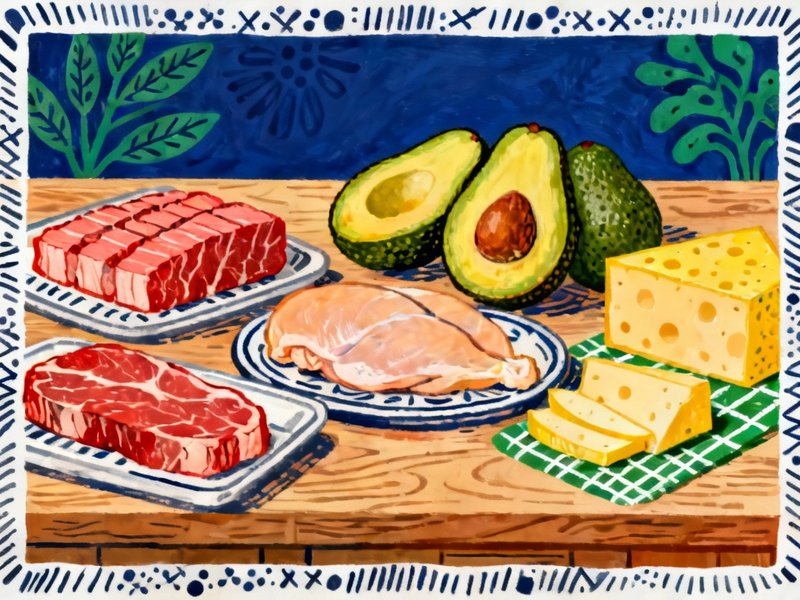
- High-fat proteins: salmon, mackerel, beef brisket (60% calories from fat)
- Moderate-fat proteins: chicken thighs, lamb, pork belly (40-50% calories from fat)
- Pairing lean proteins with additional fat: chicken breast cooked in butter or olive oil
Make-Ahead Meal Options
Strategic meal preparation supports consistency throughout your 14-day period. These options store well and reheat effectively:
Breakfast Prep Ideas
- Baked eggs with cheese and vegetables (stores 4-5 days)
- Chia seed pudding made with full-fat coconut milk (stores 5-7 days)
- Smoked salmon portions with cream cheese and avocado (stores 3-4 days)
Lunch and Dinner Prep
- Slow-cooked fatty cuts of meat with vegetables (stores 5-6 days)
- Baked salmon fillets with herb butter sauce (stores 4-5 days)
- Ground beef or lamb-based dishes with olive oil sauce (stores 5-6 days)
Sample High Fat Breakfast
Salmon and Avocado Scramble
- 3 pasture-raised eggs scrambled in 2 tablespoons butter
- 3 ounces smoked salmon
- ½ avocado, sliced
- Handful of spinach sautéed in olive oil
Macros: 580 calories | 48g fat | 32g protein | 8g carbs
Sample High Fat Lunch
Grass-Fed Beef with Herb Butter and Roasted Vegetables
- 8 ounces grass-fed beef ribeye steak
- 2 tablespoons herb-infused butter
- Roasted Brussels sprouts with 1 tablespoon olive oil
- Side salad with full-fat ranch dressing
Macros: 720 calories | 58g fat | 48g protein | 12g carbs
Sample High Fat Dinner
Mackerel with Coconut-Based Sauce and Cauliflower Rice
- 6 ounces mackerel fillet
- ½ cup full-fat coconut milk sauce
- 2 cups cauliflower rice sautéed in 2 tablespoons coconut oil
- Fresh lemon and cilantro garnish
Macros: 650 calories | 52g fat | 38g protein | 14g carbs
High Fat for Energy and Athletic Performance
Active individuals and athletes exploring high fat nutrition require additional strategic considerations. Fat provides 9 calories per gram compared to 4 calories per gram from carbohydrates, making fat an efficient fuel source for sustained activity.
Pre-Workout Fuel
Include easily digestible carbohydrates 1-2 hours before intense exercise, paired with moderate fat and protein. Examples include:
- Apple with almond butter
- Rice cakes with avocado
- Banana with macadamia nuts
Post-Workout Nutrition
Prioritize protein for muscle recovery while maintaining your fat and carbohydrate targets. Examples include:
- Salmon with sweet potato and olive oil drizzle
- Beef with white rice and butter
- Egg-based meal with toast and avocado
Endurance Activity Support
For longer duration activities, fat adaptation supports efficient fuel utilization. Ensure adequate hydration and electrolyte balance, particularly when exercising in warm conditions.

Vegetarian and Restriction-Friendly Variations
High fat nutrition accommodates various dietary preferences through thoughtful ingredient selection and preparation strategies.
Plant-Based High Fat Options
- Avocado and nut-based dishes as primary fat sources
- Seeds (pumpkin, sunflower, hemp, chia) for omega fatty acids
- Coconut products (oil, milk, cream) for stable fats
- Olive oil as primary cooking and dressing ingredient
- Nuts and nut butters for protein and fat combination
Dairy-Free Adaptations
- Coconut milk or cream as dairy substitutes
- Avocado oil mayo instead of egg-based versions
- Nut-based "cheeses" for variety
- Tahini as protein and fat source
Gluten-Free Considerations
Most whole food high fat sources are naturally gluten-free. Focus on:
- Unbreaded proteins cooked in fat
- Naturally gluten-free vegetables and fruits
- Pure oils, nuts, and seeds
- Quality protein sources without additives
Individual Response and Adaptation
Your body's response to increased fat intake varies based on genetics, previous dietary patterns, activity level, and metabolic health status. Systematic tracking helps identify whether high fat nutrition aligns with your personal optimization goals.
Track These Markers:
- Energy levels: Morning alertness, mid-day energy crashes, workout performance
- Digestive function: Ease of digestion, gut comfort, bowel regularity
- Appetite and satiety: Hunger timing, snacking impulses, meal satisfaction
- Mental clarity: Focus duration, cognitive speed, mood stability
- Physical performance: Strength, endurance, recovery quality
- Body composition: Weight trends, how clothes fit, energy-to-weight ratio
Most individuals require 2-3 weeks of consistent high fat eating to fully adapt metabolically and develop fat-burning efficiency. Some people feel energized and focused within days, while others experience an adjustment period. Both responses are normal.
When to Consult Healthcare Providers
While high fat nutrition is generally safe for most adults, certain situations warrant professional guidance before implementing this dietary approach:
- Existing cardiovascular conditions: Consult your healthcare provider about macronutrient ratios and monitoring parameters
- Liver or pancreatic conditions: Your medical team should assess fat tolerance and digestion capabilities
- Medication interactions: Certain medications interact differently with varying macronutrient ratios
- Gallbladder issues: High fat intake requires adequate bile production; medical supervision is important
- Diabetes or blood sugar management: Carbohydrate reduction affects insulin and medication needs
- Pregnancy or breastfeeding: Nutritional requirements shift; professional guidance ensures adequate micronutrients
Healthcare providers can help determine whether high fat nutrition aligns with your individual health status and suggest appropriate monitoring parameters throughout your 14-day trial.
Conclusion
A 14-day high fat meal plan provides a structured framework for exploring how increased dietary fat intake could support your energy, satiety, and overall wellness goals. By strategically combining nutrient-dense fat sources, quality proteins, and supportive vegetables, you create meals that sustain energy throughout the day while maintaining nutritional completeness.
The key to successful implementation involves personal tracking and honest assessment of how your body responds to increased fat intake. What works beautifully for one person's physiology may feel less optimal for another—this variability reflects normal human metabolic diversity rather than any dietary approach being universally "correct."
Use this 14-day framework as an organized experiment. Plan your meals, track your energy and performance markers, and notice how you feel. After two weeks, you'll have concrete experiential data to inform whether continuing high fat nutrition aligns with your personal health optimization journey. Remember that this exploration is about building sustainable nutrition practices that support your individual goals, not conforming to any dietary ideology.
Frequently Asked Questions
Does high fat eating increase cholesterol levels?
The relationship between dietary fat and blood cholesterol is more nuanced than traditional understanding suggested. Research shows that saturated fat intake affects cholesterol differently based on individual genetics, overall diet quality, and metabolic health. Focusing on nutrient-dense fat sources and monitoring your personal cholesterol markers through bloodwork provides more useful information than generalizations. Many individuals following high fat diets maintain healthy cholesterol profiles, particularly when emphasizing monounsaturated fats and omega-3 sources alongside saturated fats.
Will high fat eating cause weight gain?
Weight changes depend on total calorie balance and individual metabolic responses more than macronutrient distribution. Fat provides 9 calories per gram versus 4 calories per gram from carbohydrates, but fat's superior satiety effect often results in naturally lower calorie intake without restriction. Some individuals lose weight on high fat diets due to reduced hunger and improved adherence, while others maintain weight or gain gradually. Your personal response determines outcomes—systematic tracking helps clarify your individual pattern.
How quickly will I experience benefits from higher fat intake?
Initial energy changes vary widely. Some people report improved energy and mental clarity within days, while others experience an adjustment period of 1-3 weeks as their body adapts to fat as a primary fuel source. This adjustment period, sometimes called "keto flu" when implementing very low carbohydrate approaches, typically includes temporary fatigue, headaches, or mood changes as metabolism shifts. Adequate electrolytes, hydration, and gradual transition help minimize this adjustment.
Can I combine high fat eating with intermittent fasting?
Yes—high fat nutrition and intermittent fasting often complement each other well. Fat's superior satiety effect reduces hunger during fasting periods, while fat adaptation improves the body's ability to sustain activity and mental function during extended fasting windows. Many biohackers combine high fat eating with various fasting protocols. Start with shorter fasting windows and monitor your energy and performance before extending duration.
What vegetables should I prioritize on a high fat meal plan?
Emphasize nutrient-dense vegetables that support overall health and absorption of fat-soluble vitamins. Leafy greens (spinach, kale), cruciferous vegetables (broccoli, cauliflower), and colorful options (bell peppers, carrots) provide phytonutrients and minerals. While high fat approaches don't restrict vegetables, some people consume lower carbohydrate vegetables to maintain their macro targets. Prioritize vegetables that you enjoy and that work within your carbohydrate targets.
How should I adjust macros if I'm not seeing desired results after 14 days?
After 14 days, analyze your tracking data and consider these adjustments: slightly increase protein if strength performance plateaued, reduce calories by 5-10% if weight loss stalled (verify total intake honestly), or adjust carbohydrate timing around workouts if energy during exercise decreased. Make one adjustment at a time and sustain it for 7-10 days before evaluating results. This systematic approach identifies which variables actually influence your outcomes.
Supporting Articles
- The Potential Health Benefits of the Ketogenic Diet: A Narrative Review (2021) - PubMed
- Weight Loss & Diet Plans - Find healthy diet plans and helpful weight loss tools (Not specified) - WebMD
- Ketogenic Diet Benefits to Weight Loss, Glycemic Control, and Lipid Profiles in Overweight Patients with Type 2 Diabetes Mellitus: A Meta-Analysis of Randomized Controlled Trails (2022) - PubMed