20 Easy Candida Recipes Recipes You'll Love
By Joe Russell
Published November 2, 2025

Understanding the Candida Diet
Let's talk about something that affects millions but often goes unrecognized—candida overgrowth. Candida albicans is a type of yeast that naturally lives in your body, particularly in your digestive system. Under normal circumstances, it coexists peacefully with beneficial bacteria. But when this delicate balance gets disrupted, candida can multiply rapidly, potentially leading to uncomfortable symptoms like digestive issues, fatigue, brain fog, and recurring yeast infections.
The candida diet approach focuses on starving yeast while nourishing your body with nutrient-dense foods that support gut health and immune function. By removing foods that feed candida growth—particularly sugars and refined carbohydrates—you may help restore balance to your microbiome. Some research suggests this dietary approach could support your body's natural ability to manage yeast populations, though it's worth noting that individual responses vary considerably.
What makes the candida diet particularly interesting from a biohacking perspective is its systematic approach to identifying food triggers and measuring your body's response. You're not just following rules—you're gathering data about how different foods affect your energy, digestion, and overall well-being.
Foods to Embrace
The foundation of candida diet recipes centers on whole, unprocessed foods that don't spike blood sugar or feed yeast growth. Here's what you'll want to stock up on:
Non-Starchy Vegetables
- Leafy greens (kale, spinach, arugula)
- Cruciferous vegetables (broccoli, cauliflower, Brussels sprouts)
- Zucchini, cucumber, and celery
- Bell peppers and asparagus
Quality Proteins
- Wild-caught fish (salmon, sardines, mackerel)
- Organic chicken and turkey
- Grass-fed beef (in moderation)
- Eggs from pasture-raised chickens
Healthy Fats
- Coconut oil (contains caprylic acid)
- Extra virgin olive oil
- Avocados and avocado oil
- Raw nuts and seeds (almonds, sunflower seeds)
Low-Glycemic Options
- Chia seeds and flaxseeds
- Coconut flour and almond flour
- Herbs and spices (especially garlic, ginger, turmeric)
- Fermented vegetables (sauerkraut, kimchi)
Foods to Avoid
Understanding what to skip is just as important as knowing what to eat. These foods may promote candida growth or compromise your gut health:
- All forms of sugar: White sugar, brown sugar, honey, maple syrup, agave, and artificial sweeteners
- Refined carbohydrates: White bread, pasta, pastries, and conventional baked goods
- Alcohol: Beer, wine, and spirits (converted to sugar in your body)
- High-sugar fruits: Bananas, grapes, mangoes, and dried fruits
- Dairy products: Milk, cheese, yogurt (except unsweetened coconut yogurt)
- Processed foods: Anything with hidden sugars, preservatives, or artificial ingredients
- Mushrooms and aged cheeses: May contain mold or promote yeast growth
- Peanuts and cashews: Can harbor mold and mycotoxins
The elimination phase typically lasts 4-6 weeks, during which you'll avoid these foods entirely. Many people report noticing improvements in energy and digestive comfort within the first two weeks, though some experience temporary "die-off" symptoms as candida populations decrease.
Building Your Candida-Friendly Kitchen
Setting up your kitchen for success makes following the candida diet significantly easier. You'll want to think of this as creating a personal lab where you're experimenting with foods that support optimal gut health.
Start with these essential pantry staples that form the backbone of candida diet recipes:
- Oils and fats: Coconut oil, MCT oil, olive oil, avocado oil—these provide energy without feeding yeast
- Alternative flours: Coconut flour, almond flour, and flaxseed meal for baking and breading
- Seeds: Chia seeds, pumpkin seeds, sunflower seeds, hemp seeds—excellent for snacks and recipes
- Herbs and spices: Garlic powder, ginger, turmeric, cinnamon, oregano, rosemary—both flavor and antimicrobial properties
- Proteins: Canned wild-caught salmon or sardines, organic chicken, grass-fed beef
- Vegetables: Keep your crisper stocked with leafy greens, cruciferous vegetables, and low-starch options
- Fermented foods: Raw sauerkraut, kimchi, and coconut yogurt to support beneficial bacteria
- Bone broth: Homemade or high-quality store-bought for gut healing
Consider investing in a spiralizer for making vegetable noodles and a high-speed blender for smoothies and soups. These tools expand your recipe options considerably and make meal prep more enjoyable.
{{HEALTH_QUIZ}} [RECIPE_CARDS:705,598,597,612,703,617:Candida Diet]Breakfast Recipes (Recipes 1-4)
Starting your day with a candida-friendly breakfast sets the tone for stable blood sugar and sustained energy. These recipes skip the typical high-carb breakfast foods and focus on protein, healthy fats, and vegetables.
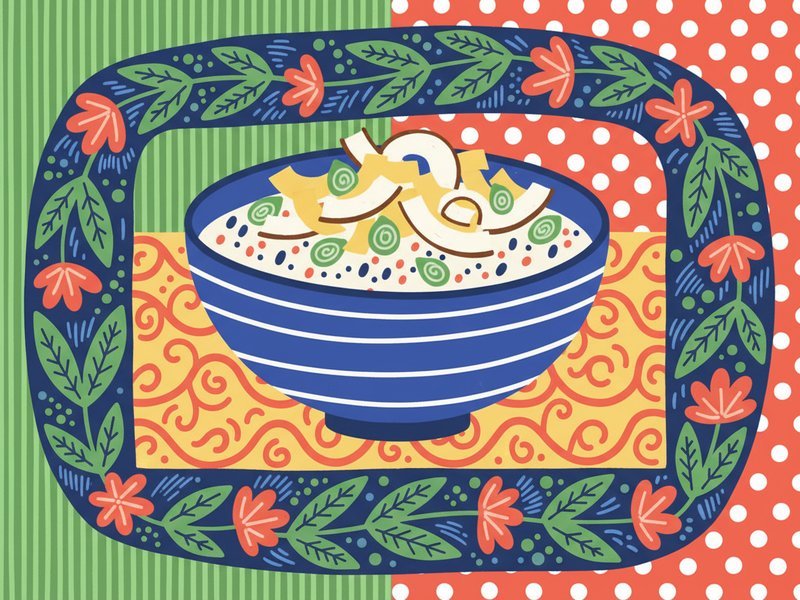
Recipe 1: Savory Vegetable Scramble with Fresh Herbs
Ingredients: 3 eggs, 1 cup spinach, ½ bell pepper (diced), ¼ onion (diced), 2 tbsp coconut oil, fresh basil and oregano, sea salt, black pepper
Instructions: Heat coconut oil in a pan over medium heat. Sauté onions until translucent, add bell pepper and cook for 2-3 minutes. Add spinach until wilted. Whisk eggs with herbs and seasoning, pour into pan. Scramble until cooked through. This protein-packed breakfast provides sustained energy without spiking blood sugar.
Why it works: Eggs provide high-quality protein and healthy fats, while the vegetables add fiber and micronutrients. The coconut oil contains medium-chain triglycerides that may support your body's natural antimicrobial processes.
Recipe 2: Coconut-Chia Pudding with Cinnamon
Ingredients: ¼ cup chia seeds, 1 cup unsweetened coconut milk, ½ tsp vanilla extract, ½ tsp cinnamon, 1 tbsp coconut flakes (unsweetened)
Instructions: Combine chia seeds, coconut milk, vanilla, and cinnamon in a jar. Stir well and refrigerate overnight. In the morning, stir again and top with coconut flakes. This make-ahead option is perfect for busy mornings.
Why it works: Chia seeds are rich in omega-3 fatty acids and fiber, which support digestive health. Cinnamon may help regulate blood sugar levels, making this a smart choice for managing energy throughout the morning.
Recipe 3: Grain-Free Coconut Flour Pancakes
Ingredients: 4 eggs, ¼ cup coconut flour, ¼ cup coconut milk, 1 tsp vanilla extract, ½ tsp baking soda, pinch of sea salt, coconut oil for cooking
Instructions: Whisk eggs, coconut milk, and vanilla together. In a separate bowl, combine coconut flour, baking soda, and salt. Mix wet and dry ingredients until smooth (let sit 5 minutes to thicken). Heat coconut oil in a pan and cook small pancakes over medium-low heat, about 3 minutes per side. Top with a small amount of almond butter if desired.
Why it works: Coconut flour is low in carbohydrates and high in fiber, making it ideal for the candida diet. These pancakes satisfy breakfast cravings without feeding yeast overgrowth.
Recipe 4: Green Power Smoothie Bowl
Ingredients: 1 cup spinach, ½ avocado, 1 cup coconut milk, 1 tbsp chia seeds, 1 tbsp hemp seeds, ½ tsp spirulina powder, juice of ½ lime, handful of ice
Instructions: Blend all ingredients until smooth. Pour into a bowl and top with additional hemp seeds, coconut flakes, and a few pumpkin seeds for crunch. The key is keeping this smoothie bowl low in fruit sugar while maximizing nutrient density.
Why it works: This nutrient-dense bowl provides healthy fats from avocado, plant-based protein from seeds, and alkalizing greens that support detoxification processes.
Lunch Recipes (Recipes 5-9)
Midday meals on the candida diet should be substantial enough to prevent energy crashes while remaining light on the digestive system. These recipes focus on vegetables, quality proteins, and healthy fats to keep you satisfied until dinner.
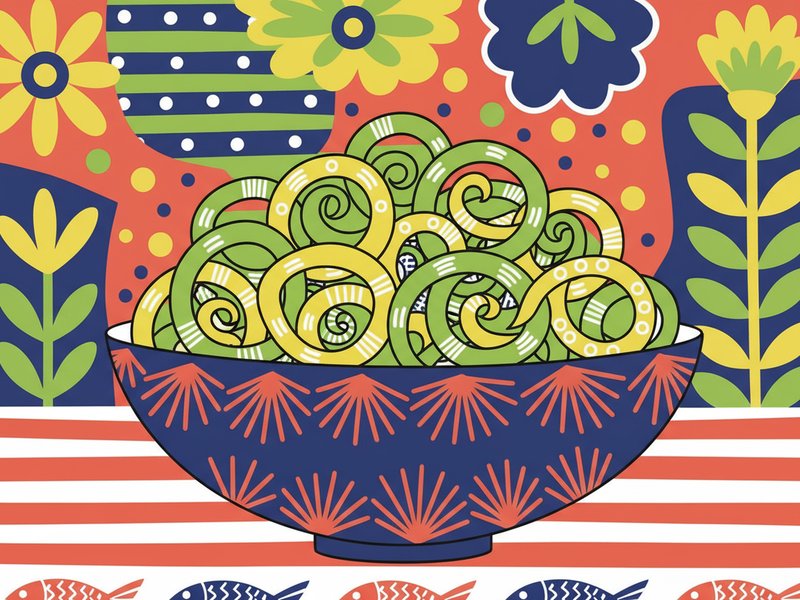
Recipe 5: Zucchini Noodle Bowl with Garlic-Herb Chicken
Ingredients: 2 medium zucchini (spiralized), 6 oz chicken breast, 2 cloves garlic (minced), 2 tbsp olive oil, fresh basil, oregano, cherry tomatoes, sea salt, pepper
Instructions: Season chicken with herbs, salt, and pepper. Cook in 1 tbsp olive oil until done, then slice. Spiralize zucchini into noodles. In the same pan, add remaining oil and garlic, sauté for 30 seconds. Add zucchini noodles and cherry tomatoes, cook 2-3 minutes until just tender. Top with sliced chicken and fresh herbs.
Why it works: Zucchini noodles provide a pasta-like experience without the refined carbohydrates. Garlic contains allicin, which some research suggests may have natural antimicrobial properties.
Recipe 6: Protein-Packed Rainbow Salad with Lemon-Tahini Dressing
Ingredients: 3 cups mixed greens, ½ cup shredded red cabbage, 1 carrot (julienned), ½ cucumber (sliced), 6 oz grilled salmon or chicken, ¼ avocado, 2 tbsp pumpkin seeds. Dressing: 2 tbsp tahini, juice of 1 lemon, 1 clove garlic (minced), water to thin, sea salt
Instructions: Arrange greens on a large plate. Top with vegetables in sections for a rainbow effect. Add protein and avocado slices. Whisk dressing ingredients together, adding water until desired consistency. Drizzle over salad and sprinkle with pumpkin seeds.
Why it works: This salad delivers diverse micronutrients from various colored vegetables, along with omega-3 fatty acids from salmon and protein for satiety.
Recipe 7: Turkey-Veggie Lettuce Wraps with Herbed Cashew Cream
Ingredients: 8 oz ground turkey, 1 cup mushrooms (diced), 1 bell pepper (diced), 2 cloves garlic (minced), 1 tsp cumin, large lettuce leaves (butter or romaine). Note: If strictly avoiding all fungi, skip mushrooms and double the bell pepper.
Instructions: Brown turkey in a pan, breaking it apart. Add garlic, mushrooms, and bell pepper, cooking until vegetables soften. Season with cumin and sea salt. Spoon mixture into lettuce leaves and wrap like a taco. These wraps are perfect for meal prep—make the filling ahead and assemble fresh.
Why it works: Lettuce wraps eliminate grain-based wraps while providing a satisfying crunch and freshness that complements the savory filling.
Recipe 8: Cauliflower Rice Stir-Fry with Ginger-Tamari Sauce
Ingredients: 1 head cauliflower (riced), 1 cup snap peas, 1 carrot (julienned), 2 cups bok choy, 6 oz shrimp or chicken, 1 tbsp fresh ginger (grated), 2 tbsp coconut aminos, 2 tbsp coconut oil
Instructions: Rice cauliflower in a food processor or use pre-riced. Heat coconut oil in a large pan or wok. Cook protein until done, remove. Add vegetables and ginger, stir-frying for 3-4 minutes. Add cauliflower rice and coconut aminos, cooking for 5 minutes. Return protein to pan and toss everything together.
Why it works: Cauliflower rice provides the texture of grain-based rice with far fewer carbohydrates. Ginger supports digestive health and may have natural anti-inflammatory properties.
Recipe 9: Healing Bone Broth Vegetable Soup
Ingredients: 4 cups bone broth (homemade or quality store-bought), 2 cups chopped vegetables (celery, carrots, zucchini, green beans), 1 cup cooked chicken (shredded), 2 cloves garlic (minced), 1 tsp turmeric, fresh thyme, sea salt, pepper
Instructions: Heat bone broth in a large pot. Add garlic, turmeric, and thyme, simmering for 5 minutes. Add harder vegetables first (carrots, celery) and cook for 5 minutes. Add remaining vegetables and chicken, cooking until vegetables are tender. Season to taste.
Why it works: Bone broth contains collagen and amino acids that may support gut lining repair. This warming soup is particularly helpful if you're experiencing digestive discomfort during the candida cleanse.
Dinner Recipes (Recipes 10-15)
Evening meals should be satisfying and nutrient-dense while remaining easy to digest before sleep. These dinner recipes combine quality proteins with plenty of vegetables and strategic use of herbs and spices for both flavor and potential antimicrobial benefits.
Recipe 10: Herb-Crusted Baked Salmon with Roasted Vegetables
Ingredients: 6 oz wild-caught salmon fillet, 2 cups mixed vegetables (broccoli, asparagus, bell peppers), 3 tbsp olive oil, 2 tbsp fresh dill, 1 tbsp fresh parsley, 1 tsp garlic powder, lemon wedges, sea salt, pepper
Instructions: Preheat oven to 400°F. Toss vegetables with 2 tbsp olive oil, salt, and pepper on a baking sheet. Mix herbs with 1 tbsp olive oil and garlic powder. Place salmon on the same sheet, spread herb mixture on top. Roast for 15-18 minutes until salmon is cooked through and vegetables are tender. Serve with lemon wedges.
Why it works: Wild-caught salmon provides omega-3 fatty acids EPA and DHA, which may support immune function and reduce inflammation. The combination of herbs adds flavor without relying on sugar-based sauces.
Recipe 11: Garlic-Rosemary Chicken Thighs with Sautéed Greens
Ingredients: 4 bone-in chicken thighs, 4 cloves garlic (minced), 2 tbsp fresh rosemary (chopped), 3 cups kale or Swiss chard, 3 tbsp coconut oil, sea salt, black pepper, red pepper flakes
Instructions: Season chicken with salt, pepper, and half the rosemary. Heat 2 tbsp coconut oil in an oven-safe skillet. Sear chicken skin-side down until golden, flip, add garlic and remaining rosemary. Transfer to 375°F oven for 25-30 minutes. In a separate pan, sauté greens with 1 tbsp coconut oil, garlic, and red pepper flakes until wilted.
Why it works: Bone-in, skin-on chicken thighs provide healthy fats and rich flavor. Dark leafy greens are packed with vitamins A, C, and K, plus minerals that support immune health.
Recipe 12: Turkey Meatballs in Herbed Tomato Sauce
Ingredients: 1 lb ground turkey, 1 egg, 2 tbsp almond flour, 2 cloves garlic (minced), 1 tsp oregano, 1 tsp basil. Sauce: 2 cups crushed tomatoes (no sugar added), 2 cloves garlic, 1 tbsp olive oil, fresh basil, oregano, sea salt
Instructions: Mix turkey, egg, almond flour, garlic, and herbs. Form into meatballs. Bake at 375°F for 20 minutes. Meanwhile, sauté garlic in olive oil, add tomatoes and herbs, simmer 15 minutes. Add meatballs to sauce and simmer 5 more minutes. Serve over zucchini noodles or cauliflower rice.
Why it works: This dish satisfies Italian food cravings without pasta. Tomatoes provide lycopene and vitamin C, while keeping sugar content minimal compared to commercial pasta sauces.
Recipe 13: Stuffed Bell Peppers with Ground Beef and Cauliflower Rice
Ingredients: 4 bell peppers (tops cut off, seeds removed), 1 lb grass-fed ground beef, 2 cups cauliflower rice, 1 onion (diced), 2 cloves garlic (minced), 1 cup diced tomatoes, 1 tsp cumin, 1 tsp paprika, sea salt, pepper
Instructions: Brown ground beef with onion and garlic. Add cauliflower rice, tomatoes, and spices, cooking for 5 minutes. Stuff mixture into bell peppers, place in baking dish with ½ inch water in bottom. Cover with foil and bake at 375°F for 30-35 minutes until peppers are tender.
Why it works: Bell peppers provide vitamin C and antioxidants while serving as an edible vessel. Grass-fed beef offers quality protein and omega-3 fatty acids in better ratios than conventional beef.
Recipe 14: Coconut-Lime Shrimp with Asian-Style Vegetables
Ingredients: 1 lb large shrimp (peeled and deveined), 2 cups bok choy, 1 cup snap peas, 1 bell pepper (sliced), 1 can coconut milk, juice of 2 limes, 2 cloves garlic (minced), 1 tbsp fresh ginger (grated), 2 tbsp coconut oil, cilantro
Instructions: Heat coconut oil in a large pan. Cook shrimp until pink, about 2 minutes per side, remove. Add garlic and ginger, cooking for 30 seconds. Add vegetables and stir-fry for 3 minutes. Pour in coconut milk and lime juice, simmer for 5 minutes. Return shrimp to pan, toss to coat. Garnish with cilantro.
Why it works: Coconut milk creates a creamy sauce without dairy, while lime juice adds brightness and vitamin C. Shrimp provides lean protein with selenium, important for immune function.
Recipe 15: Anti-Inflammatory Turmeric Vegetable Curry
Ingredients: 1 can coconut milk, 3 cups mixed vegetables (cauliflower, green beans, zucchini, spinach), 1 onion (diced), 3 cloves garlic (minced), 2 tbsp fresh turmeric (or 1 tbsp dried), 1 tbsp curry powder, 1 tsp cumin, 2 tbsp coconut oil, sea salt, fresh cilantro
Instructions: Heat coconut oil in a pot. Sauté onion until soft, add garlic, turmeric, and spices, cooking for 1 minute. Add harder vegetables first (cauliflower, green beans), cooking for 5 minutes. Pour in coconut milk, simmer for 10 minutes. Add remaining vegetables, cooking until tender. Adjust seasoning and garnish with cilantro. Serve over cauliflower rice.
Why it works: Turmeric contains curcumin, a compound extensively studied for its potential anti-inflammatory and antimicrobial properties. The fat in coconut milk enhances curcumin absorption.
Snacks & Sides (Recipes 16-20)
Having compliant snacks on hand prevents you from reaching for foods that might feed candida when hunger strikes between meals. These options are quick to prepare and portable for busy days.
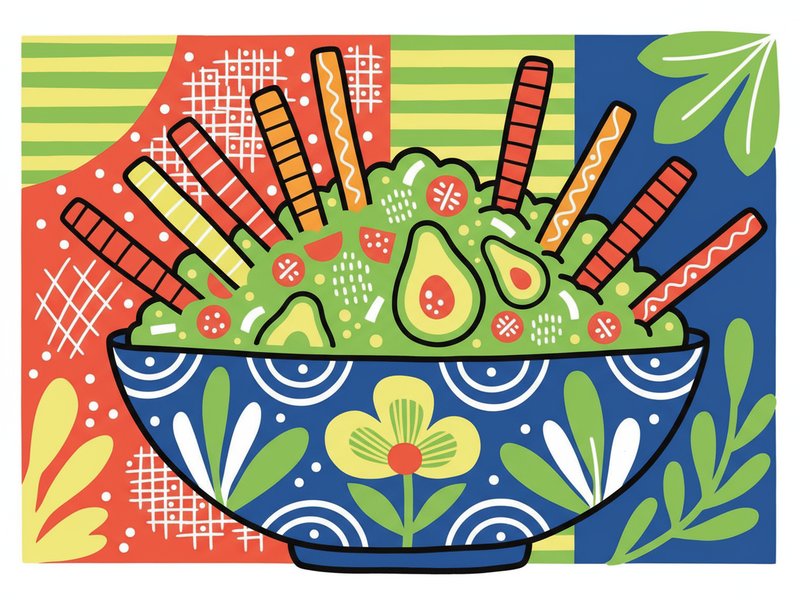
Recipe 16: Creamy Guacamole with Veggie Sticks
Ingredients: 2 ripe avocados, juice of 1 lime, 2 tbsp cilantro (chopped), ¼ red onion (minced), 1 clove garlic (minced), sea salt, cayenne pepper. Serve with: cucumber slices, celery sticks, bell pepper strips, jicama sticks
Instructions: Mash avocados in a bowl, leaving some chunks for texture. Mix in lime juice, cilantro, onion, garlic, and seasonings. Taste and adjust. Cut vegetables into sticks for dipping. This guacamole keeps well for a day if you press plastic wrap directly onto its surface.
Why it works: Avocados provide healthy monounsaturated fats and fiber that promote satiety. The variety of vegetable dippers adds different textures and micronutrients.
Recipe 17: Crispy Roasted Chickpeas with Herbs
Ingredients: 1 can chickpeas (rinsed and dried thoroughly), 2 tbsp olive oil, 1 tsp garlic powder, 1 tsp paprika, ½ tsp cumin, sea salt
Instructions: Preheat oven to 400°F. Toss dried chickpeas with oil and spices. Spread on a baking sheet in a single layer. Roast for 30-40 minutes, shaking pan every 10 minutes, until crispy and golden. Let cool completely before storing in an airtight container.
Why it works: Chickpeas provide plant-based protein and fiber. While legumes should be consumed in moderation on the candida diet due to their carbohydrate content, small portions of properly prepared chickpeas can offer satisfying crunch without excessive sugar impact.
Recipe 18: Garlic-Herb Kale Chips
Ingredients: 1 bunch kale (stems removed, torn into pieces), 2 tbsp olive oil, 1 tsp garlic powder, 1 tsp nutritional yeast, sea salt
Instructions: Preheat oven to 300°F. Wash and thoroughly dry kale pieces (moisture prevents crisping). Massage with olive oil until evenly coated. Spread on baking sheets without overlapping. Sprinkle with garlic powder, nutritional yeast, and salt. Bake for 20-25 minutes until crispy but not brown, rotating sheets halfway through.
Why it works: Kale chips satisfy the craving for something crispy and salty. Nutritional yeast adds a savory, cheese-like flavor along with B-vitamins.
Recipe 19: Seed Crackers with Rosemary
Ingredients: 1 cup sunflower seeds, ½ cup pumpkin seeds, ¼ cup flaxseeds, ¼ cup chia seeds, 1 cup water, 1 tbsp fresh rosemary (minced), 1 tsp sea salt, ½ tsp garlic powder
Instructions: Mix all seeds with water and let soak for 2 hours until gel-like. Stir in rosemary, salt, and garlic powder. Spread mixture very thin (⅛ inch) on parchment-lined baking sheets. Score into cracker-sized pieces. Bake at 300°F for 1 hour, flip carefully, bake another 30-60 minutes until completely crispy. Break along scored lines.
Why it works: These nutrient-dense crackers are packed with healthy fats, protein, and fiber from seeds. They're perfect with guacamole or coconut-based dips.
Recipe 20: Herbed Cauliflower Hummus
Ingredients: 2 cups steamed cauliflower florets (cooled), ¼ cup tahini, 3 tbsp olive oil, 2 cloves garlic, juice of 1 lemon, 1 tsp cumin, sea salt, water as needed, fresh parsley
Instructions: Combine all ingredients in a food processor. Blend until smooth, adding water 1 tablespoon at a time to reach desired consistency. Taste and adjust seasonings. Garnish with parsley and a drizzle of olive oil. Serve with vegetable sticks or seed crackers.
Why it works: Traditional hummus made with chickpeas can be higher in carbohydrates. This cauliflower version provides similar creamy texture with fewer carbs while maintaining protein from tahini.
7-Day Sample Meal Plan
Putting all these recipes together into a cohesive meal plan helps you stay organized and ensures variety throughout the week. This sample plan demonstrates how to rotate proteins and vegetables while maintaining the anti-candida focus.
| Day | Breakfast | Lunch | Dinner | Snack |
|---|---|---|---|---|
| Monday | Savory Vegetable Scramble (Recipe 1) | Zucchini Noodle Bowl (Recipe 5) | Herb-Crusted Salmon (Recipe 10) | Guacamole with Veggies (Recipe 16) |
| Tuesday | Coconut-Chia Pudding (Recipe 2) | Protein-Packed Rainbow Salad (Recipe 6) | Garlic-Rosemary Chicken (Recipe 11) | Kale Chips (Recipe 18) |
| Wednesday | Green Power Smoothie Bowl (Recipe 4) | Turkey-Veggie Lettuce Wraps (Recipe 7) | Turkey Meatballs (Recipe 12) | Roasted Chickpeas (Recipe 17) |
| Thursday | Grain-Free Pancakes (Recipe 3) | Cauliflower Rice Stir-Fry (Recipe 8) | Stuffed Bell Peppers (Recipe 13) | Cauliflower Hummus with Crackers (Recipe 19 & 20) |
| Friday | Savory Vegetable Scramble (Recipe 1) | Healing Bone Broth Soup (Recipe 9) | Coconut-Lime Shrimp (Recipe 14) | Guacamole with Veggies (Recipe 16) |
| Saturday | Coconut-Chia Pudding (Recipe 2) | Protein-Packed Rainbow Salad (Recipe 6) | Turmeric Vegetable Curry (Recipe 15) | Seed Crackers with Dip (Recipe 19) |
| Sunday | Green Power Smoothie Bowl (Recipe 4) | Zucchini Noodle Bowl (Recipe 5) | Herb-Crusted Salmon (Recipe 10) | Kale Chips (Recipe 18) |
Meal Prep Tips:
- Prep vegetables for the week on Sunday: spiralize zucchini, chop vegetables, wash greens
- Make large batches of bone broth and freeze in portions
- Cook proteins in bulk and store for quick assembly
- Prepare chia pudding and overnight recipes before bed
- Keep snacks portioned in containers for grab-and-go convenience
- Double dinner recipes to have leftovers for next-day lunches
Tracking Your Progress
Following the candida diet is as much about observation as it is about restriction. Your body provides valuable feedback about which foods support your healing and which might trigger symptoms. Taking a systematic approach to tracking helps you identify patterns and make informed adjustments.
Consider monitoring these key indicators throughout your candida diet journey:
- Digestive symptoms: Note bloating, gas, bowel movement regularity, and any discomfort after meals
- Energy levels: Track morning energy, afternoon slumps, and overall fatigue throughout the day
- Mental clarity: Monitor brain fog, focus, and cognitive function—many people report improvements here first
- Skin changes: Document any rashes, acne, or improvements in skin clarity
- Sugar cravings: Notice when cravings peak and how they change over time (they typically decrease)
- Mood stability: Track irritability, anxiety, or mood swings that may be related to diet
- Sleep quality: Note changes in falling asleep, staying asleep, and morning wakefulness
Effective Food Journaling Strategies:
Keep a daily log that includes what you ate, when you ate it, and how you felt 1-2 hours afterward. Pay particular attention to the first two weeks, when "die-off" symptoms might occur as candida populations decrease. These temporary symptoms—including fatigue, headaches, or increased digestive discomfort—typically resolve within 7-10 days.
After the initial month, begin reintroducing foods one at a time, waiting 2-3 days between new additions. This systematic approach helps you identify which foods your body tolerates well and which might trigger symptoms.
Some people find success using apps or simple spreadsheets to track patterns over time. The goal isn't perfection—it's data collection that empowers you to make informed decisions about your unique nutritional needs. Remember that everyone's journey with candida is different. What works for one person may not work identically for another, which is why tracking your individual response is so valuable.
Consider taking periodic photos, keeping measurements, or using other objective markers alongside your symptom tracking. Many people report improvements that they don't fully recognize until they look back at where they started.
Conclusion
Navigating the candida diet doesn't have to mean sacrificing flavor or satisfaction. These 20 recipes demonstrate that eating to support gut health can be both delicious and diverse, from energizing breakfasts to satisfying dinners and convenient snacks that keep you on track throughout the day.
The key to success with candida diet recipes lies in understanding the underlying principles: eliminating foods that feed yeast overgrowth while nourishing your body with nutrient-dense whole foods that support immune function and digestive health. By focusing on non-starchy vegetables, quality proteins, healthy fats, and strategic use of antimicrobial herbs and spices, you're creating an internal environment that may help restore balance to your microbiome.
Remember that this is a systematic approach to health optimization. Give your body time to adapt—most people begin noticing improvements within 2-4 weeks, though complete rebalancing may take several months. Use the meal plan as a framework, but don't be afraid to mix and match recipes based on your preferences and what's available seasonally.
As you implement these recipes and track your progress, you're gathering valuable data about your unique physiology. This self-experimentation approach empowers you to make informed decisions about your health rather than following one-size-fits-all recommendations. Whether you're addressing suspected candida overgrowth or simply exploring ways to optimize gut health, these recipes provide a solid foundation for your journey.
Stock your kitchen with the essential ingredients, prep components in advance when possible, and approach this as an opportunity to explore new flavors and cooking techniques. The alternative health community has long recognized that food is powerful medicine, and these candida-friendly recipes put that philosophy into delicious practice.
Frequently Asked Questions
How long should I follow the candida diet?
Most practitioners recommend an initial elimination phase of 4-6 weeks, followed by a gradual reintroduction period. Some people need to maintain stricter guidelines for 3-6 months depending on the severity of symptoms. Listen to your body and work with a healthcare provider to determine the right timeline for your situation.
Can I eat any fruits on the candida diet?
During the initial strict phase, most practitioners recommend avoiding all fruits due to their natural sugar content. After the first month, you might reintroduce low-sugar options like green apples, berries, and lemon/lime in small amounts. Higher-sugar fruits like bananas, grapes, and tropical fruits typically remain restricted longer.
Will I experience die-off symptoms?
Many people experience temporary "die-off" symptoms (also called the Herxheimer reaction) during the first 1-2 weeks as candida populations decrease. These may include fatigue, headaches, digestive changes, or flu-like symptoms. Staying well-hydrated, getting adequate rest, and supporting detoxification pathways can help minimize discomfort during this period.
Can I follow the candida diet if I'm vegetarian or vegan?
Yes, though it requires more planning to ensure adequate protein intake. Focus on compliant plant proteins like hemp seeds, chia seeds, tempeh (fermented soy), and limited amounts of properly prepared legumes. You may need to be more creative with meals to maintain variety while staying within the dietary guidelines.
How do I know if the candida diet is working?
Look for improvements in digestive symptoms, increased energy levels, better mental clarity, reduced sugar cravings, and clearer skin. Most people notice initial changes within 2-3 weeks, though complete rebalancing takes longer. Keep a detailed food and symptom journal to track patterns and progress over time.
Supporting Articles
- Nutrition and healthy eating Nutrition basics (2023) - Mayo Clinic
- Association between the mediterranean diet and cognitive health among healthy adults: A systematic review and meta-analysis (2022) - PubMed
- Mediterranean Diet for Cardiovascular Risk Reduction in Chronic Kidney Disease (2024) - PubMed