Anti-Inflammatory Benefits That Will Transform Your Health
By Joe Russell
Published November 3, 2025

What Is Inflammation and Why Does It Matter?
Your body's inflammatory response is like an internal fire alarm system—brilliantly designed to protect you, but potentially destructive when it won't turn off. When you cut your finger or catch a cold, acute inflammation rushes to the scene with heat, swelling, and increased blood flow. This short-term response helps you heal and is absolutely essential for survival.
But here's where things get interesting for those of us exploring alternative health optimization: chronic inflammation operates completely differently. Unlike acute inflammation that resolves within days or weeks, chronic inflammation smolders quietly for months or years, silently contributing to nearly every modern disease we're trying to avoid—heart disease, type 2 diabetes, autoimmune conditions, and even certain cancers.
Research published in scientific journals suggests that this persistent inflammatory state acts like a biological accelerator, speeding up aging processes and interfering with your body's natural healing mechanisms. The fascinating part? Many of us are walking around with elevated inflammatory markers without experiencing obvious symptoms—at least not yet.
The Hidden Cost of Chronic Inflammation
While chronic inflammation might not announce itself with dramatic symptoms, it extracts a substantial toll on your daily experience. You might notice it as that persistent afternoon energy crash, the brain fog that makes concentration feel like wading through honey, or the subtle aches that have become your "normal."
The cognitive effects deserve special attention from the biohacking community. Studies examining the inflammation-cognition connection reveal that inflammatory cytokines can interfere with neurotransmitter production and signaling. This means that persistent inflammation may be affecting your mental clarity, focus, and decision-making capacity—exactly what we're trying to optimize.
From an aging perspective, chronic inflammation accelerates cellular aging through multiple pathways. It contributes to oxidative stress, shortens telomeres (the protective caps on your chromosomes), and interferes with cellular repair processes. If longevity optimization is part of your health protocol, addressing inflammation becomes non-negotiable.
Science-Backed Anti-Inflammatory Benefits for Your Body
Let's explore what the research actually shows about anti-inflammatory approaches—not marketing claims, but evidence-based benefits that matter for your health optimization journey.
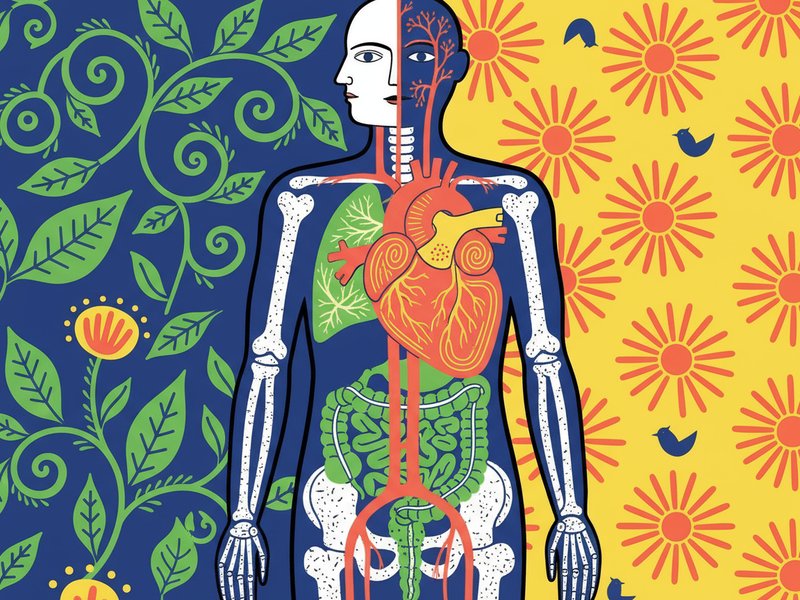
The cardiovascular benefits are particularly compelling. Research indicates that reducing systemic inflammation may support healthier blood vessel function, more balanced cholesterol ratios, and improved blood pressure regulation. The mechanism involves decreasing inflammatory markers like C-reactive protein (CRP) and interleukin-6 (IL-6), which are strongly associated with cardiovascular risk.
Joint health improvements often surprise people with how quickly they manifest. Many individuals report noticeable reductions in joint discomfort within 2-4 weeks of implementing anti-inflammatory dietary changes. This likely relates to decreased production of inflammatory prostaglandins and reduced cartilage degradation.
Your metabolic function responds beautifully to reduced inflammation as well. Lower systemic inflammation supports more efficient glucose metabolism, improved insulin sensitivity, and better mitochondrial function—all crucial for sustained energy and metabolic health.
Inflammation and Weight Management
Here's a connection that doesn't get enough attention in mainstream weight loss discussions: chronic inflammation and stubborn weight are intimately connected through multiple biological pathways. When your body maintains elevated inflammatory markers, it interferes with leptin signaling—the hormone that tells your brain you're satisfied after eating.
This creates a frustrating cycle where inflammation promotes insulin resistance, insulin resistance increases fat storage (particularly visceral fat around organs), and that stored fat produces more inflammatory compounds. It's like trying to bail out a boat while someone keeps pouring water in.
Breaking this cycle requires addressing inflammation directly rather than just cutting calories. Research suggests that reducing inflammatory markers can improve insulin sensitivity by 20-30%, making your body more responsive to dietary changes and exercise efforts.
Supporting Immune System Balance
This is crucial to understand: reducing inflammation doesn't mean suppressing your immune system. Instead, it helps restore balance to an immune system that may be overreacting to perceived threats.
Chronic inflammation often reflects an immune system stuck in overdrive, responding to dietary triggers, environmental toxins, or gut dysbiosis as if they were serious infections. By removing inflammatory triggers and supporting immune regulation, you're helping your body distinguish between actual threats and false alarms.
Studies examining inflammatory markers show that balanced anti-inflammatory approaches may support appropriate immune responses while reducing unnecessary inflammatory signaling. Your immune system becomes more precise rather than less active.
Mental and Cognitive Benefits of Fighting Inflammation
The gut-brain-inflammation axis represents one of the most exciting frontiers in health optimization research. Your gut produces approximately 90% of your body's serotonin, and inflammatory compounds can interfere with this production and signaling throughout your nervous system.
Depression and anxiety correlate strongly with elevated inflammatory markers. Multiple studies have found that individuals with major depression show significantly higher levels of inflammatory cytokines like IL-6 and tumor necrosis factor-alpha (TNF-α). While correlation doesn't prove causation, intervention studies suggest that reducing inflammation may support improved mood regulation.
The mechanism appears to involve multiple pathways: inflammation affects tryptophan metabolism (reducing serotonin production), increases oxidative stress in brain tissues, and interferes with brain-derived neurotrophic factor (BDNF)—a crucial protein for neural health and neuroplasticity.
Brain Fog and Mental Performance
If you've experienced brain fog, you know how frustrating it is when your mental performance doesn't match your expectations. That cloudy thinking, slow processing speed, and difficulty maintaining focus often have inflammatory roots.
Research examining cognitive function and inflammation reveals that inflammatory cytokines can cross the blood-brain barrier and directly affect neurotransmitter systems. They interfere with dopamine and norepinephrine signaling—neurotransmitters essential for focus, motivation, and mental clarity.
Many biohackers report dramatic improvements in cognitive performance within 2-3 weeks of implementing anti-inflammatory protocols. While individual results vary, the biological mechanisms support these experiential reports.
Top Anti-Inflammatory Foods to Prioritize
Let's get practical. These foods demonstrate strong anti-inflammatory properties based on both traditional use and modern research:

- Fatty Fish (salmon, mackerel, sardines): Rich in omega-3 fatty acids EPA and DHA, which are converted into anti-inflammatory compounds called resolvins and protectins. Aim for 2-3 servings weekly.
- Leafy Greens (kale, spinach, collards): Packed with vitamins A, C, K, and numerous polyphenols that help neutralize inflammatory compounds. The more colorful and varied, the better.
- Berries (blueberries, strawberries, blackberries): Contain anthocyanins and other flavonoids that reduce inflammatory marker production. Fresh or frozen both work well.
- Turmeric: Curcumin, its active compound, has been extensively studied for anti-inflammatory properties. Combine with black pepper to increase absorption by up to 2000%.
- Extra Virgin Olive Oil: Contains oleocanthal, a compound with anti-inflammatory effects similar to ibuprofen. Choose high-quality, cold-pressed varieties.
- Nuts (walnuts, almonds): Provide healthy fats, fiber, and antioxidants that support reduced inflammation. A handful daily is a good target.
- Green Tea: Rich in EGCG (epigallocatechin gallate), a powerful anti-inflammatory polyphenol. Matcha provides even higher concentrations.
- Ginger: Contains gingerols and shogaols with documented anti-inflammatory and antioxidant properties. Use fresh or powdered in cooking.
Foods That Trigger Inflammation
Equally important is understanding what might be fueling inflammation in your system. These common dietary triggers deserve attention:
- Refined Sugars and High-Fructose Corn Syrup: Promote inflammatory cytokine production and contribute to insulin resistance. Found in sodas, baked goods, and processed foods.
- Refined Vegetable Oils: Oils high in omega-6 fatty acids (soybean, corn, cottonseed) can promote inflammation when consumed in excess without balancing omega-3 intake.
- Trans Fats: Still found in some processed foods despite regulations. Check labels for "partially hydrogenated" oils.
- Ultra-Processed Foods: Often contain combinations of refined grains, added sugars, and inflammatory fats. The processing itself may create inflammatory compounds.
- Excessive Alcohol: While moderate consumption may have some benefits, excessive intake promotes inflammation throughout the body.
- Refined Grains: White bread, pasta, and baked goods spike blood sugar rapidly, promoting inflammatory responses.
Individual sensitivity varies significantly. Some people tolerate certain foods better than others, which is why personalized approaches matter more than rigid rules.
Lifestyle Factors That Amplify Anti-Inflammatory Benefits
Diet provides the foundation, but lifestyle factors can either amplify or undermine your anti-inflammatory efforts. Let's explore the most impactful variables you can optimize:
Movement and Exercise: Regular physical activity reduces inflammatory markers, but the relationship isn't linear. Moderate exercise consistently shows anti-inflammatory benefits, while excessive high-intensity training without adequate recovery can temporarily increase inflammation. Find your sustainable sweet spot.
Stress Management: Chronic psychological stress elevates cortisol and inflammatory cytokines. This isn't about eliminating all stress (impossible) but developing effective management practices. Meditation, breathwork, time in nature, and meaningful social connections all demonstrate measurable anti-inflammatory effects.
Environmental Factors: Exposure to environmental toxins, pollutants, and endocrine disruptors can promote chronic inflammation. While you can't control everything, you can reduce unnecessary exposures through conscious choices about cleaning products, personal care items, and food sourcing.
Cold Exposure: Emerging research suggests that controlled cold exposure (cold showers, ice baths) may support reduced inflammation through hormetic stress responses. The biohacking community has embraced this, though individual tolerance and benefits vary.
Sunlight and Vitamin D: Adequate vitamin D levels correlate with lower inflammatory markers. Regular moderate sun exposure (with appropriate skin protection) or strategic supplementation may support inflammatory balance.
The Sleep-Inflammation Connection
Sleep deserves special attention because it's both affected by inflammation and profoundly influences inflammatory processes. Poor sleep quality increases inflammatory markers within just one night of disruption, while chronic sleep deprivation can maintain elevated inflammation indefinitely.
The mechanism involves multiple pathways: sleep deprivation activates the sympathetic nervous system, increases cortisol production, and upregulates pro-inflammatory gene expression. Conversely, chronic inflammation can interfere with sleep quality through various mechanisms, creating a vicious cycle.
Practical sleep optimization strategies that support inflammatory balance include:
- Maintaining consistent sleep-wake times to support circadian rhythm
- Creating complete darkness in your sleep environment
- Keeping bedroom temperature cool (around 65-68°F)
- Limiting blue light exposure 2-3 hours before bed
- Managing stress and racing thoughts through evening wind-down routines
- Avoiding late-night eating, which can disrupt sleep quality and promote inflammation
Most research suggests that 7-9 hours of quality sleep nightly provides optimal anti-inflammatory benefits, though individual needs vary.
Creating Your Anti-Inflammatory Action Plan
Theory becomes valuable only when translated into consistent action. Here's a practical 30-day framework for transitioning toward anti-inflammatory eating and lifestyle patterns:
Week 1: Foundation Building
- Assess your current dietary patterns without judgment—just observation
- Add one serving of fatty fish to your weekly routine
- Replace refined vegetable oils with extra virgin olive oil
- Increase vegetable intake by one serving daily, focusing on colorful varieties
- Establish a consistent sleep schedule
Week 2: Reduction Phase
- Reduce added sugar intake by 50% (read labels carefully)
- Replace refined grains with whole grain alternatives
- Add berries to breakfast or as snacks
- Implement a basic stress management practice (5-10 minutes daily)
- Increase water intake to support detoxification pathways
Week 3: Enhancement
- Add turmeric and ginger to cooking regularly
- Include nuts or seeds as daily snacks
- Experiment with green tea as a coffee replacement for one serving
- Incorporate gentle movement or stretching into daily routine
- Optimize sleep environment (darkness, temperature, quiet)
Week 4: Refinement and Personalization
- Identify which changes feel most sustainable and beneficial
- Experiment with meal timing strategies if interested
- Consider food sensitivities that might be personal triggers
- Establish a routine that feels natural rather than restrictive
- Plan for long-term sustainability rather than perfection
The key is progress over perfection. Some people thrive with dramatic changes, while others prefer gradual transitions. Honor your own process.
{{MACROS_CALCULATOR}}Tracking Your Progress
Measuring inflammatory changes helps you understand what's working and maintain motivation. Consider tracking these indicators:
Subjective Measures:
- Energy levels throughout the day (rate 1-10 at consistent times)
- Sleep quality and wake feeling refreshed
- Mental clarity and focus
- Joint comfort and mobility
- Mood stability and emotional resilience
- Digestive comfort and regularity
Objective Measures (if accessible):
- C-reactive protein (CRP) blood test—the gold standard inflammatory marker
- Fasting glucose and hemoglobin A1c for metabolic health
- Lipid panel including triglycerides and HDL cholesterol
- Body composition changes (particularly visceral fat reduction)
- Blood pressure measurements
Most people notice subjective improvements within 2-4 weeks, while objective markers may take 8-12 weeks to shift significantly. Be patient with the process.
{{HEALTH_QUIZ}}Common Questions About Anti-Inflammatory Eating
How long before I notice results?
Timeline varies significantly based on individual factors like current inflammatory burden, consistency of implementation, and which outcomes you're tracking. Many people report improved energy and reduced joint discomfort within 2-3 weeks. Mental clarity improvements often appear in the 3-6 week range. Measurable changes in blood markers typically require 8-12 weeks of consistent practice.
Should I consider anti-inflammatory supplements?
Supplements can support an anti-inflammatory approach but shouldn't replace dietary and lifestyle foundations. Research suggests potential benefits from omega-3 fish oil, curcumin (from turmeric), vitamin D, and certain probiotics. However, quality varies dramatically between brands, and individual needs differ. Consider working with a knowledgeable practitioner to determine appropriate choices for your situation.
Can I still eat foods I enjoy?
Absolutely. Sustainable approaches focus on predominant patterns rather than perfection. The 80/20 principle works well for most people—prioritize anti-inflammatory choices about 80% of the time while allowing flexibility for foods you genuinely enjoy. Restrictive approaches often backfire through increased stress and eventual abandonment of healthy patterns.
What about intermittent fasting and anti-inflammatory benefits?
Emerging research suggests that intermittent fasting may support reduced inflammation through multiple mechanisms, including autophagy (cellular cleanup), reduced oxidative stress, and improved metabolic health. However, it's not universally appropriate. Some people thrive with time-restricted eating, while others experience increased stress and worse outcomes. Experimentation with awareness is key.
How does this approach work with other health protocols?
Anti-inflammatory principles complement virtually any health optimization protocol—whether you're exploring ketogenic diets, plant-based eating, ancestral nutrition, or other approaches. The core principles of reducing inflammatory triggers while increasing anti-inflammatory foods adapt well across different dietary frameworks. Focus on the overlap rather than conflicts.
What if I have autoimmune conditions?
Anti-inflammatory approaches may be particularly relevant for autoimmune conditions, though specific protocols might benefit from additional considerations. Some people with autoimmune conditions benefit from eliminating potential trigger foods (nightshades, grains, legumes, dairy) through elimination protocols. Work with knowledgeable healthcare providers who understand both conventional and functional approaches to autoimmunity.
Conclusion: Your Path Forward
Understanding anti-inflammatory diet benefits represents just the beginning of your health optimization journey. The real transformation happens through consistent implementation of evidence-based strategies that work specifically for your body, lifestyle, and health goals.
Remember that reducing chronic inflammation isn't about perfection or adhering to rigid rules—it's about understanding the principles, experimenting thoughtfully, and creating sustainable patterns that support long-term wellness. The most powerful anti-inflammatory protocol is the one you can maintain consistently over months and years, not the most restrictive approach you abandon after a few weeks.
Your body possesses remarkable healing capacity when given appropriate support. By reducing inflammatory triggers, increasing anti-inflammatory foods, optimizing sleep, managing stress, and moving regularly, you create conditions where your body can restore balance naturally. The benefits extend far beyond just "feeling better"—they may support longevity, cognitive performance, metabolic health, and resilient aging.
Start where you are, use what you have, and focus on progress over perfection. Small, consistent changes compound into significant results over time. Your future self will thank you for the investment you're making today in understanding and addressing inflammation at its roots.