Bulletproof Benefits That Will Transform Your Health
By Joe Russell
Published November 2, 2025

What Is the Bulletproof Diet? Understanding the Basics
The Bulletproof Diet represents a comprehensive approach to nutrition that goes far beyond a simple eating plan—it's a systematic framework for optimizing your body's performance through strategic food choices and timing. Created by biohacker Dave Asprey after years of self-experimentation and research, this protocol emphasizes high-quality fats, moderate protein, limited carbohydrates, and an unwavering focus on food quality.
At the heart of this approach is the "Bulletproof Roadmap," a color-coded system that categorizes foods based on their potential to support or hinder your body's optimal functioning. This isn't about restriction—it's about informed exploration of how different foods affect your unique biology. The diet prioritizes grass-fed and pasture-raised animal products, wild-caught fish, organic vegetables, and high-quality fats while minimizing inflammatory triggers like processed foods, grains, and refined sugars.
What makes the Bulletproof approach particularly compelling for the alternative health community is its emphasis on bio-individuality and data-driven decision-making. You're encouraged to track how specific foods affect your energy, mental clarity, and overall well-being, then adjust accordingly. This systematic experimentation aligns perfectly with the biohacking philosophy of treating your body as a complex system worthy of careful optimization.

The Science Behind Bulletproof Coffee
The most recognizable element of the Bulletproof protocol is undoubtedly Bulletproof Coffee—a creamy, energy-sustaining beverage that combines freshly brewed coffee with grass-fed butter and medium-chain triglyceride (MCT) oil. This isn't just a trendy drink; it's a carefully engineered fuel source designed to support ketone production and sustained cognitive performance.
The magic happens when the high-quality fats blend with coffee's natural compounds. Grass-fed butter provides conjugated linoleic acid (CLA) and fat-soluble vitamins, while MCT oil—typically derived from coconut oil—converts rapidly into ketones, providing your brain with an alternative fuel source to glucose. The caffeine in coffee enhances this effect by promoting fat oxidation and mental alertness.
What many people notice first is the absence of the typical coffee crash. When you drink regular coffee on an empty stomach, you often experience a spike in energy followed by an inevitable slump. Bulletproof Coffee, however, provides sustained energy for 4-6 hours because the fats slow caffeine absorption while providing steady fuel. Some research suggests that this combination may support improved focus, reduced hunger, and enhanced fat burning—particularly when consumed as part of an intermittent fasting protocol.
Mental Performance Benefits: Sharper Focus and Enhanced Cognition
One of the most frequently reported bulletproof diet benefits involves cognitive enhancement. Your brain is approximately 60% fat, and it thrives when provided with high-quality fatty acids and ketones. The Bulletproof approach leverages this biological reality by prioritizing fats that support brain structure and function.
When you shift from a glucose-dependent metabolism to one that efficiently burns fat and produces ketones, your brain gains access to a more stable, efficient fuel source. Many people describe this as lifting a fog they didn't even realize was there. Tasks that previously required significant mental effort become more manageable. Focus extends for longer periods without the typical mid-afternoon cognitive decline.
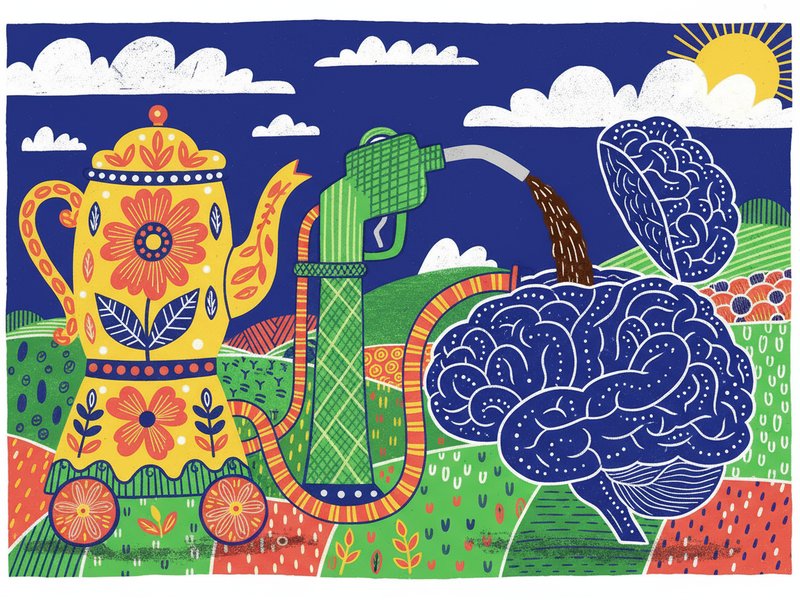
The emphasis on eliminating inflammatory foods plays an equally important role. Chronic inflammation can interfere with neurotransmitter production and signaling, potentially affecting mood, motivation, and mental clarity. By removing common inflammatory triggers—processed seed oils, refined sugars, gluten-containing grains—you create an internal environment that supports optimal neurological function.
How MCT Oil Fuels Your Brain
Medium-chain triglycerides deserve special attention for their unique metabolic properties. Unlike long-chain fatty acids that require bile salts for digestion and processing through the lymphatic system, MCTs absorb rapidly and travel directly to your liver. There, they convert efficiently into ketones—beta-hydroxybutyrate (BHB), acetoacetate, and acetone—which your brain can use immediately for fuel.
This rapid conversion is particularly valuable during the adaptation period when transitioning to a fat-based metabolism. Even if you're still consuming some carbohydrates, MCT oil provides your brain with ketones, potentially supporting mental clarity and reducing the "keto flu" symptoms some people experience during metabolic transition.
Research exploring ketogenic approaches suggests that ketones may offer neuroprotective properties beyond simple fuel provision. Some studies indicate that ketone metabolism produces fewer reactive oxygen species compared to glucose metabolism, potentially reducing oxidative stress in brain tissue. While more research is needed, these findings support why many people report enhanced mental performance when incorporating MCT oil into their daily routine.
Reducing Inflammation for Mental Clarity
The connection between inflammation and cognitive function represents one of the most compelling aspects of the Bulletproof approach. Chronic, low-grade inflammation can affect the blood-brain barrier, potentially allowing inflammatory compounds to reach neural tissue where they may interfere with neurotransmitter function.
The Bulletproof Diet addresses inflammation from multiple angles. First, it eliminates common inflammatory triggers—refined sugars, processed seed oils high in omega-6 fatty acids, gluten-containing grains, and foods with mycotoxins (mold-produced toxins). Second, it emphasizes anti-inflammatory foods rich in omega-3 fatty acids, polyphenols, and antioxidants. Grass-fed meat, wild-caught fatty fish, organic vegetables, and high-quality coffee all contribute compounds that may support healthy inflammatory responses.
Many people report that this anti-inflammatory approach yields benefits beyond mental clarity. Improved mood stability, better stress resilience, and enhanced motivation often accompany the cognitive improvements, suggesting that whole-body inflammation reduction creates cascading positive effects throughout your nervous system.
Energy and Metabolism: Stable All-Day Vitality
Perhaps the most transformative aspect of bulletproof diet benefits involves the shift from unstable, glucose-dependent energy to sustained, fat-fueled vitality. When you rely primarily on carbohydrates for fuel, your energy levels follow your blood sugar—rising after meals, crashing between them, creating a constant cycle of hunger and fatigue.
Fat adaptation changes this pattern fundamentally. Once your metabolism becomes efficient at burning fat for fuel—a process that typically takes 2-4 weeks of consistent low-carbohydrate eating—your energy stabilizes. You gain access to your body's extensive fat stores, which provide virtually unlimited fuel compared to limited glycogen reserves. This metabolic flexibility means you can go longer between meals without experiencing energy crashes, irritability, or intense hunger.
The practical implications are significant. Many people find they can work productively for extended periods without needing constant snacks. Physical performance may improve, particularly for endurance activities. Mental energy remains consistent throughout the day rather than following the typical post-lunch slump pattern.
Fat Adaptation vs. Sugar Dependency
Understanding the difference between these two metabolic states helps explain why the transition to Bulletproof eating can feel challenging initially but yields such profound benefits once complete.
In a sugar-dependent state, your body preferentially burns glucose and stores fat. When blood sugar drops, you experience hunger, energy crashes, and cravings. Your metabolic flexibility is limited—you've essentially trained your body to expect regular carbohydrate intake. Skipping meals feels difficult because your body lacks efficient fat-burning capacity.
Fat adaptation represents metabolic freedom. Your body becomes adept at switching between fuel sources—burning dietary fat when available, accessing stored body fat when needed, and producing ketones for brain fuel during extended fasting periods. This flexibility means stable energy regardless of meal timing, reduced cravings, and the ability to tap into fat stores for fuel rather than constantly requiring external food sources.
The adaptation process requires patience. Some people experience temporary fatigue, headaches, or irritability during the first week or two as their bodies upregulate fat-burning enzymes and downregulate glucose-dependent pathways. These symptoms typically resolve as adaptation completes, giving way to the sustained energy that characterizes the fat-adapted state.
{{TDEE_CALCULATOR}}Weight Loss and Body Composition Benefits
While the Bulletproof Diet wasn't designed exclusively for weight loss, many people experience significant body composition improvements when following this protocol. The mechanisms behind these changes involve hormonal optimization, metabolic efficiency, and natural appetite regulation rather than calorie restriction or willpower.
When you reduce carbohydrate intake and increase quality fats, insulin levels naturally decline. Lower insulin facilitates fat mobilization from adipose tissue—essentially telling your body it's safe to burn stored fat for fuel. Simultaneously, the high satiety value of fats means you naturally feel satisfied with less food, creating an effortless caloric deficit without the hunger that typically accompanies restrictive diets.
The emphasis on high-quality protein—grass-fed meat, wild-caught fish, pastured eggs—supports muscle maintenance even during fat loss. Unlike traditional calorie-restricted diets that often result in losing both fat and muscle, the Bulletproof approach may help preserve lean tissue while facilitating fat reduction. This distinction matters enormously for long-term metabolic health and body composition.
Another often-overlooked factor involves the elimination of inflammatory foods. Chronic inflammation can interfere with leptin signaling—the hormone that tells your brain you've had enough to eat. When inflammation resolves, leptin sensitivity may improve, potentially helping your natural appetite regulation work as intended.
{{MACROS_CALCULATOR}}The Role of Intermittent Fasting
Bulletproof Coffee serves as a bridge between eating and fasting, enabling many people to extend their overnight fast without experiencing hunger or energy crashes. This approach, often called "fat fasting," provides the metabolic benefits of fasting—autophagy activation, increased fat burning, cellular cleanup—while offering enough fuel to maintain cognitive and physical performance.
The typical protocol involves having Bulletproof Coffee in the morning, working productively until early afternoon, then breaking the fast with a nutrient-dense meal. This creates a compressed eating window—often 6-8 hours—without the difficulty of true water fasting. The fats in the coffee suppress hunger hormones while supporting ketone production, making the extended fasting period feel natural rather than forced.
Research on intermittent fasting suggests potential benefits beyond weight loss, including improved insulin sensitivity, enhanced autophagy (cellular recycling), and increased human growth hormone production. While Bulletproof Coffee technically breaks a fast in terms of caloric intake, it maintains many fasting benefits by keeping insulin low and promoting fat oxidation.
For those new to fasting, this approach offers a gentle entry point. You gain experience with extended periods without food while maintaining stable energy. Over time, some people transition to longer fasts or experiment with different fasting protocols, using the metabolic flexibility developed through Bulletproof eating as their foundation.
Inflammation Reduction and Recovery
Chronic inflammation represents one of the most significant health challenges facing modern society. Unlike acute inflammation—the beneficial response to injury or infection—chronic, low-grade inflammation persists for months or years, potentially contributing to various health concerns. The Bulletproof Diet addresses inflammation through both elimination and inclusion strategies.

On the elimination side, removing processed foods, refined sugars, gluten-containing grains, and industrial seed oils removes major inflammatory triggers. Processed seed oils—soybean, corn, canola—contain high ratios of omega-6 to omega-3 fatty acids, which may promote inflammatory pathways when consumed in excess. Refined sugars create blood sugar spikes that can trigger inflammatory responses. Gluten may provoke immune reactions in sensitive individuals, contributing to systemic inflammation.
The inclusion strategy emphasizes foods rich in anti-inflammatory compounds. Wild-caught fatty fish provides omega-3 fatty acids (EPA and DHA) that may support healthy inflammatory responses. Grass-fed meat contains higher omega-3 ratios compared to grain-fed alternatives. Organic vegetables supply polyphenols and antioxidants that may help neutralize oxidative stress. Even the coffee in Bulletproof Coffee contributes chlorogenic acid and other compounds with potential anti-inflammatory properties.
Many people report that this anti-inflammatory approach yields benefits across multiple body systems. Joint discomfort may decrease. Skin clarity often improves. Digestive comfort can enhance. Recovery from exercise feels faster. These widespread improvements make sense when you consider that inflammation affects virtually every tissue and organ system—addressing it creates benefits throughout your entire body.
Hormone Optimization and Cellular Health
The Bulletproof Diet's effects extend deep into your endocrine system, potentially supporting optimal hormone production and signaling. This hormonal optimization represents one of the protocol's most profound yet least discussed benefits.
Insulin sensitivity typically improves when you reduce carbohydrate intake and eliminate processed foods. Better insulin sensitivity means your cells respond appropriately to insulin signals, facilitating efficient nutrient uptake and stable blood sugar. This has cascading effects—improved energy utilization, reduced fat storage signals, better appetite regulation, and decreased inflammation associated with chronically elevated insulin.
The emphasis on quality fats supports sex hormone production since cholesterol serves as the precursor for testosterone, estrogen, and progesterone. Many people following very low-fat diets experience hormonal disruption; the Bulletproof approach provides the building blocks your body needs for optimal endocrine function. Grass-fed butter and meat also provide fat-soluble vitamins (A, D, E, K) that support hormone receptor function and cellular communication.
Thyroid function may benefit from the protocol's emphasis on nutrient density. Selenium from Brazil nuts and wild-caught fish supports thyroid hormone conversion. Iodine from sea vegetables contributes to thyroid hormone production. The removal of inflammatory foods may support thyroid receptor sensitivity. While individual responses vary, many people report improved energy, body temperature regulation, and metabolic rate—markers often associated with healthy thyroid function.
Cortisol balance represents another crucial aspect. Chronic stress and blood sugar fluctuations can dysregulate cortisol rhythms, leading to energy crashes, sleep disruption, and metabolic challenges. The Bulletproof Diet's emphasis on stable blood sugar and anti-inflammatory foods may support healthy cortisol patterns, potentially improving stress resilience and recovery.
Getting Started: Practical Implementation Tips
Transitioning to Bulletproof eating works best as a systematic process rather than an overnight transformation. Here's how to approach implementation in a way that supports long-term success:
Start with quality upgrades: Before making dramatic macronutrient changes, focus on food quality. Switch to grass-fed meat, pastured eggs, and wild-caught fish. Replace processed seed oils with grass-fed butter, ghee, coconut oil, and avocado oil. Choose organic vegetables, especially for items on the "Dirty Dozen" list. These quality improvements alone often yield noticeable benefits.
Introduce Bulletproof Coffee gradually: If you're new to high-fat coffee, start with small amounts of butter and MCT oil—perhaps one teaspoon of each—and gradually increase over a week or two. This gives your digestive system time to adjust. Some people experience digestive upset when introducing large amounts of MCT oil suddenly; slow introduction prevents this issue.
Reduce carbohydrates progressively: Rather than immediately dropping to very low carbohydrate intake, try reducing by 25-50 grams every few days. This gentler transition often produces fewer adaptation symptoms. Focus first on eliminating refined sugars and processed grains, then gradually reduce starchy vegetables and fruits to your target level.
Track your experience: Keep a simple log noting energy levels, mental clarity, sleep quality, and any symptoms. This data helps you understand what's working and identify patterns. You might discover that certain foods affect you differently than expected—this personalized information is invaluable for optimizing your protocol.
Stay hydrated and supplement electrolytes: As your body transitions to fat burning, you may excrete more water and electrolytes. Ensure adequate hydration and consider supplementing sodium, potassium, and magnesium, especially during the first few weeks. Many adaptation symptoms—headaches, fatigue, muscle cramps—relate to electrolyte imbalances rather than the diet itself.
The Bulletproof Food Roadmap
The color-coded Bulletproof Roadmap provides a practical framework for food choices, categorizing options based on their potential to support or hinder your optimization goals:
Green Zone (Bulletproof): These foods form the foundation of the diet. They're nutrient-dense, low in toxins, and support optimal performance. Examples include grass-fed meat, wild-caught fish, pastured eggs, MCT oil, grass-fed butter, coconut oil, avocados, leafy greens, cruciferous vegetables, and low-sugar fruits like berries.
Yellow Zone (Suspect): These foods are acceptable occasionally but might cause issues for some people or in larger quantities. Examples include conventionally-raised meat, raw nuts (except macadamias), white rice, buckwheat, nightshade vegetables, and higher-sugar fruits. You might eat these occasionally while monitoring how they affect you.
Red Zone (Kryptonite): These foods are best avoided as they commonly trigger inflammation, blood sugar disruption, or contain toxins. Examples include processed meats, farmed fish, peanuts and peanut butter, gluten-containing grains, soy products, processed seed oils, refined sugar, and artificial sweeteners.
This system provides flexibility within structure. You're not following rigid meal plans but rather making informed choices based on food quality and your individual responses. Over time, you develop intuition about which foods support your optimization goals and which ones hinder them.
Common Challenges and Solutions
Challenge: Adaptation symptoms ("keto flu")
Solution: These temporary symptoms—headache, fatigue, irritability—typically result from electrolyte imbalances and metabolic transition. Increase sodium intake (unrefined sea salt), supplement magnesium and potassium, stay well-hydrated, and allow 2-4 weeks for full adaptation. Consider a more gradual carbohydrate reduction if symptoms are severe.
Challenge: Budget concerns about high-quality foods
Solution: Prioritize your investments. Grass-fed butter and MCT oil are relatively affordable and provide significant benefits. Buy meat in bulk from local farms. Focus on getting pastured eggs and wild-caught canned fish like sardines and salmon. Choose organic for items where it matters most (the Dirty Dozen). Remember that you may naturally eat less frequently once fat-adapted, potentially offsetting increased per-item costs.
Challenge: Social situations and dining out
Solution: Most restaurants can accommodate Bulletproof principles with simple modifications. Order grilled meat or fish with vegetables, request butter or olive oil instead of seed oils, skip the bread basket, and don't hesitate to ask how dishes are prepared. At social gatherings, eat beforehand if needed, bring a dish to share, or focus on social connection rather than food. Once you experience the benefits of Bulletproof eating, social pressure becomes easier to navigate.
Challenge: Missing variety or feeling restricted
Solution: The Bulletproof approach allows tremendous variety within its framework. Explore different proteins, vegetables, preparation methods, herbs, and spices. Experiment with Bulletproof-friendly desserts using quality ingredients. Remember that you're not restricting foods arbitrarily—you're choosing foods that support your optimization goals. This mindset shift often transforms the experience from deprivation to empowerment.
Potential Considerations and Who Should Exercise Caution
While many people experience significant benefits from the Bulletproof Diet, certain individuals should approach this protocol with additional consideration or modifications:
Those with gallbladder issues: People without a gallbladder or with compromised gallbladder function may need to introduce high-fat foods very gradually since bile production might be limited. Starting with smaller fat portions and incorporating bile-supporting supplements (with healthcare provider guidance) can help.
Individuals with certain metabolic conditions: Those with familial hypercholesterolemia or specific metabolic disorders should work with knowledgeable healthcare providers when considering high-fat diets. While many people see improved lipid profiles on Bulletproof eating, individual responses vary, and monitoring is important.
Those with a history of disordered eating: Any structured dietary approach requires mindfulness if you have a history of eating disorders. The focus should be on adding nourishing foods and listening to your body rather than rigid restriction. Working with a supportive healthcare provider can help navigate this territory safely.
Pregnant or nursing individuals: While nutrient-dense, whole foods support reproductive health, significant metabolic changes during pregnancy or breastfeeding warrant careful consideration. Maintaining adequate carbohydrate intake and avoiding very low-carb or ketogenic approaches may be advisable during these periods. Always consult with healthcare providers who understand both conventional and alternative approaches.
The principle of bio-individuality remains paramount. What works remarkably well for one person might require modification for another. Pay attention to your body's signals, track objective markers (energy, sleep, mental clarity, physical performance), and consider working with practitioners familiar with alternative health approaches if you have specific health concerns.
Conclusion: Your Path to Bulletproof Optimization
The bulletproof diet benefits extend far beyond simple weight loss or trendy coffee drinks. This systematic approach to nutrition offers a comprehensive framework for optimizing mental performance, stabilizing energy, reducing inflammation, and supporting hormonal balance through strategic food choices and metabolic adaptation.
What makes the Bulletproof Diet particularly compelling for the alternative health community is its emphasis on quality, bio-individuality, and measurable outcomes. You're not following arbitrary rules—you're exploring how different foods affect your unique biology and making informed decisions based on those observations. This data-driven, self-experimental approach aligns perfectly with the biohacking philosophy of treating your body as a complex system worthy of careful optimization.
The transition to Bulletproof eating represents an investment in your long-term health and performance. While the initial adaptation period may present temporary challenges, most people find that the sustained energy, mental clarity, and overall vitality far outweigh any short-term discomfort. By starting gradually, prioritizing food quality, tracking your experience, and maintaining flexibility within the framework, you create a sustainable approach that supports your wellness goals for years to come.
Remember that this journey is yours to customize. Use the Bulletproof Roadmap as a starting point, then adjust based on your individual responses. Some people thrive on very low carbohydrate intake; others perform better with moderate carbs from quality sources. Some find intermittent fasting transformative; others prefer regular meal timing. The key is approaching this protocol with curiosity, patience, and a commitment to discovering what makes your body and mind function optimally.
Whether you're seeking enhanced cognitive performance, stable all-day energy, improved body composition, or simply a more systematic approach to health, the Bulletproof Diet offers a science-backed framework worth exploring. Start where you are, make one improvement at a time, and pay attention to how your body responds. The path to optimization is rarely linear, but with consistent effort and mindful experimentation, the bulletproof diet benefits can indeed transform your health in meaningful, lasting ways.
Frequently Asked Questions
How long does it take to become fat-adapted on the Bulletproof Diet?
Most people experience full fat adaptation within 2-4 weeks of consistently maintaining low carbohydrate intake and high fat consumption. However, you may notice improvements in energy and mental clarity within the first week. The timeline varies based on your previous diet, metabolic health, and consistency with the protocol. Some metabolic flexibility continues developing for several months as your body becomes increasingly efficient at switching between fuel sources.
Can I exercise while adapting to the Bulletproof Diet?
Yes, but you might want to modify intensity during the initial adaptation period. Many people experience temporary decreases in high-intensity performance during the first 2-3 weeks as their bodies transition from glucose to fat burning. Low to moderate intensity exercise—walking, light resistance training, yoga—typically feels fine throughout adaptation. Once fat-adapted, most people find their endurance improves significantly, though some athletes choose to strategically time carbohydrate intake around intense training sessions.
Will eating high amounts of saturated fat negatively affect my cholesterol?
Individual responses to saturated fat vary considerably. Many people following the Bulletproof Diet experience improved lipid profiles—increased HDL, decreased triglycerides, and a shift toward larger, less dense LDL particles. However, some individuals respond differently. The key is monitoring your personal markers with comprehensive lipid panels and working with healthcare providers familiar with alternative health approaches. Context matters enormously—saturated fat consumed with refined carbohydrates produces different effects than saturated fat in a low-carb, whole-foods context.
Is the Bulletproof Diet safe for long-term use?
Many people follow Bulletproof principles successfully for years, reporting sustained benefits in energy, cognition, and overall health. The emphasis on nutrient-dense whole foods, quality fats, and adequate protein provides comprehensive nutrition when implemented thoughtfully. However, long-term sustainability depends on ensuring adequate micronutrient intake, maintaining metabolic flexibility, and adjusting the protocol based on your evolving needs. Some people cycle between stricter and more relaxed approaches, while others maintain consistent protocols. Regular monitoring of health markers and listening to your body's signals helps ensure the approach continues serving your wellness goals.
Do I need to track macros and calories on the Bulletproof Diet?
While detailed tracking isn't mandatory, it can be helpful initially to ensure you're consuming adequate fat, moderate protein, and low carbohydrates. Many people find that once fat-adapted, natural appetite regulation makes precise tracking unnecessary—they simply eat until satisfied and naturally maintain appropriate intake. However, if you have specific body composition goals or aren't seeing expected results, tracking macros for a few weeks can provide valuable insights. The calculators provided can help you determine your optimal ranges based on your individual factors.