Complete Beginner's Guide to High Fat For Beginners
By Joe Russell
Published November 2, 2025
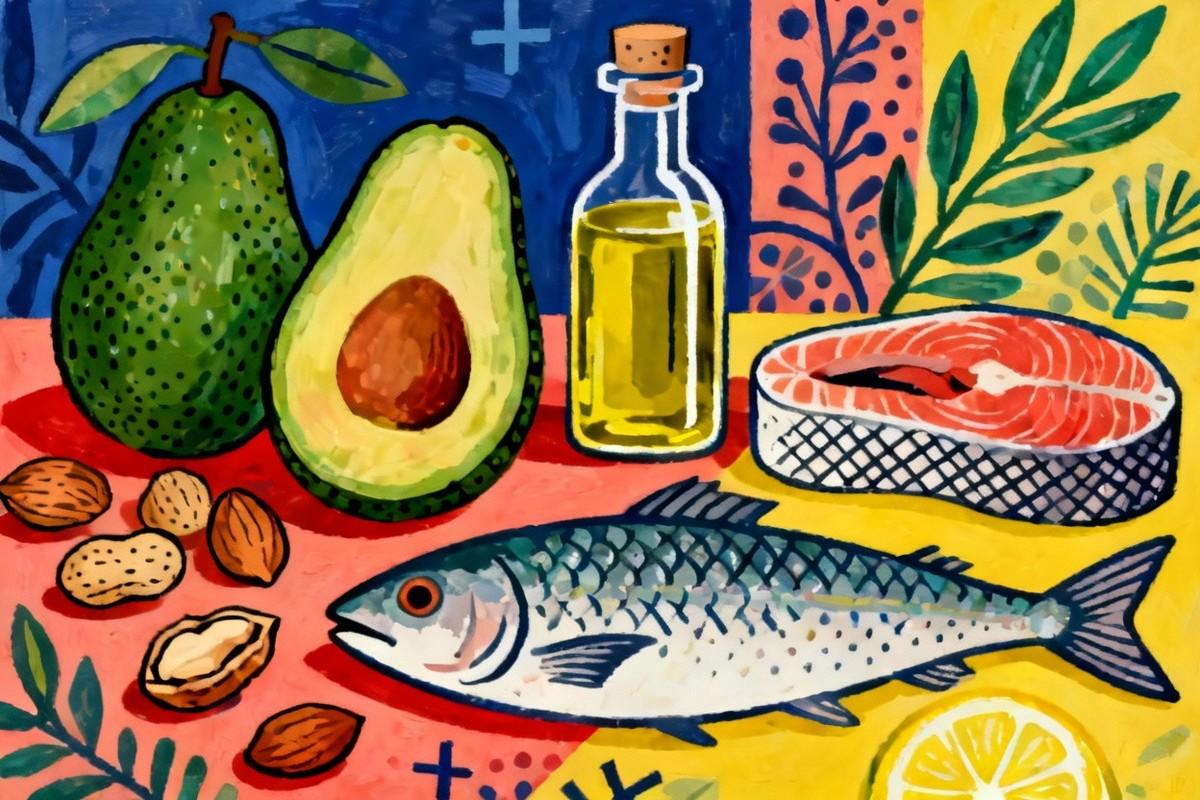
If you've been curious about the high fat diet for beginners but felt overwhelmed by conflicting information, you're not alone. The shift toward higher fat consumption challenges decades of dietary recommendations, leaving many people wondering: Is this actually healthy? How do I even start? Will I feel deprived?
This complete guide walks you through everything you need to know about adopting a high fat eating approach—from the science behind it to practical implementation strategies that actually work for real life.
What Is a High Fat Diet? (And Why All the Buzz?)
A high fat diet is an eating approach where fat comprises the majority of your daily calories—typically 60-80% of your total intake, compared to the standard dietary recommendation of around 30%. Rather than viewing dietary fat as something to minimize, this approach treats it as a primary fuel source.
The concept sounds counterintuitive if you grew up hearing that fat makes you fat. But here's what's changed: decades of newer research have challenged that oversimplified narrative. Researchers now understand that dietary fat doesn't automatically become body fat, and that the relationship between fat consumption and health outcomes is far more nuanced than previously thought.
What makes high fat eating relevant to alternative health enthusiasts and biohackers is its potential to shift your metabolism, stabilize energy levels, and support mental clarity—outcomes many people report after transitioning to this approach.
High Fat vs. Keto vs. Low Carb: What's the Difference?
These three approaches are related but distinct, and understanding the differences helps you choose what aligns with your goals.
| Approach | Macronutrient Focus | Primary Goal | Carb Limit |
|---|---|---|---|
| High Fat Diet | 60-80% fat, flexible protein and carbs | Metabolic flexibility, sustained energy | Varies by individual, not strictly limited |
| Ketogenic Diet | 75-90% fat, moderate protein, very low carbs | Nutritional ketosis for rapid fat loss or neurological benefits | Typically under 50g daily |
| Low Carb Diet | Variable macros, reduced carbohydrates | Weight management and metabolic improvement | Usually 50-150g daily |
The key distinction: a high fat diet is broader and more flexible, while keto is a specific protocol designed to achieve nutritional ketosis. You can follow high fat eating without being in ketosis, and you can do low carb without emphasizing fat. They overlap, but they're not identical.
The Science Behind High Fat Eating
Understanding the mechanics of how your body uses fat for fuel helps demystify why this approach works for many people.
When you consume carbohydrates, your body breaks them into glucose, which enters your bloodstream and triggers insulin release. Your cells use this glucose for immediate energy, and excess gets stored. When carbohydrate intake is consistently low and fat intake is high, your body shifts metabolism—a process called metabolic adaptation.
In this adapted state, your liver breaks down fatty acids into ketone bodies, an alternative fuel source. Your brain, muscles, and other tissues can efficiently use ketones for energy. This metabolic shift often results in more stable blood sugar, reduced hunger hormones, and sustained energy throughout the day—a starkly different experience from the energy crashes many people experience with high-carbohydrate eating.

The beauty of ketone-based metabolism isn't just theoretical—it's something people often experience directly through improved mental clarity, reduced afternoon fatigue, and changed appetite patterns.
What the Research Actually Shows
Science on high fat and ketogenic approaches has expanded significantly in recent years. Here's what peer-reviewed research actually demonstrates:
- Weight Management: Multiple studies show that high fat, low carbohydrate approaches can support weight loss comparable to or exceeding low-fat approaches, often with improved adherence because satiety is higher
- Blood Sugar Control: High fat eating typically results in more stable blood glucose levels, which has implications for metabolic health and energy consistency
- Mental Performance: Some research suggests ketone metabolism may support cognitive function and mental clarity, though individual results vary
- Metabolic Markers: Studies show improvements in triglycerides, HDL cholesterol, and inflammatory markers in many people adopting this approach
- Energy Levels: Users commonly report sustained energy after an adaptation period, with reduced reliance on caffeine or frequent meals
It's important to note: not every individual responds identically. Genetics, lifestyle factors, and existing health conditions all influence how your body adapts to high fat eating. The research supports its effectiveness as a viable approach for many people, not as a universal solution for everyone.
Is a High Fat Diet Right for You?
Before committing to this approach, honestly assess whether it aligns with your situation and goals.
High fat eating may be a good fit if:
- You experience energy crashes with high-carbohydrate eating
- You struggle with hunger and cravings on traditional calorie-restricted diets
- You're interested in exploring metabolic flexibility and performance optimization
- You want to reduce inflammation or improve metabolic health markers
- You have access to quality fat sources and enjoy cooking
- You're willing to give your body 2-4 weeks to adapt before evaluating results
You might want to approach cautiously if:
- You have a diagnosed gallbladder condition or fat malabsorption issue (high fat intake can be challenging)
- You take certain medications that interact with ketone metabolism
- You have a history of disordered eating patterns that might be triggered by dietary restriction
- You're pregnant or breastfeeding without medical guidance (not inherently unsafe, but requires professional oversight)
- You have pancreatic issues or severe lipid metabolism disorders
When in doubt about your individual circumstances, consulting with a functional medicine practitioner or registered dietitian who understands this approach provides personalized guidance based on your health history.
Understanding Your Fat Sources: The Quality Matters
Not all fats are created equal. The quality of fat sources you choose significantly impacts how your body responds and how you feel.
Prioritize these healthy fats:
- Monounsaturated fats: Avocados, olives, olive oil, nuts, seeds
- Omega-3 polyunsaturated fats: Fatty fish (salmon, mackerel, sardines), flaxseeds, chia seeds
- Saturated fats from whole foods: Coconut oil, grass-fed butter, eggs, high-quality meat
Minimize these problematic fats:
- Trans fats: Partially hydrogenated oils, many processed foods (these are metabolic disruptors)
- Oxidized seed oils: Vegetable oil, canola oil, sunflower oil heated repeatedly or processed at high temperatures
- Highly processed fat sources: Ultra-processed snack foods, fried foods from industrial kitchens
The distinction matters because your body's response to clean fat sources differs markedly from its response to damaged or inflammatory fats. When you're building a high fat diet, quality directly influences whether you experience the benefits or run into problems.
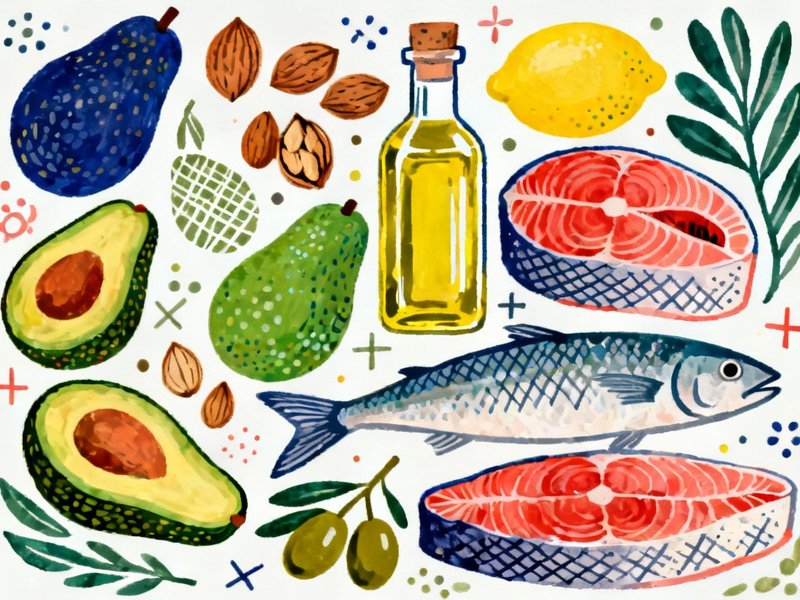
Your High Fat Food Guide
Here's a practical reference for building high fat meals:
| Category | Best Choices | Use Moderately | Avoid |
|---|---|---|---|
| Fats & Oils | Olive oil, avocado oil, coconut oil, grass-fed butter, ghee, MCT oil | Nuts oils, sesame oil | Vegetable oil, canola oil, margarine, trans fat products |
| Proteins | Fatty fish, eggs, grass-fed beef, pasture-raised pork, full-fat dairy, nuts | Chicken breast, turkey (lean poultry), legumes | Processed meats, low-fat options, seed-oil laden products |
| Vegetables | Leafy greens, cruciferous vegetables, zucchini, peppers, asparagus, broccoli | Root vegetables, carrots, beets (higher carb) | Corn, processed vegetable products |
| Fruits | Avocados, olives, berries (small portions) | Apples, oranges, grapes | Fruit juice, dried fruit, tropical fruits, sweetened products |
| Dairy | Full-fat yogurt, grass-fed cheese, heavy cream, whole milk | Greek yogurt, cottage cheese | Low-fat dairy, flavored yogurts with added sugars |
| Nuts & Seeds | Macadamia nuts, walnuts, pecans, almonds, chia seeds, pumpkin seeds | Brazil nuts, sunflower seeds | Roasted and salted varieties in seed oils |
| Beverages | Water, herbal tea, black coffee, bone broth, bulletproof coffee | Unsweetened almond milk, green tea | Soda, fruit juice, sweetened beverages, most energy drinks |
Step-by-Step: How to Start Your High Fat Journey
Implementation is where the rubber meets the road. This section provides clear, actionable steps formatted for real-world execution.
Step 1: Assess Your Current Eating Patterns
Before making changes, spend 3-5 days tracking what you currently eat using an app like MyFitnessPal or Cronometer. You're not judging—you're establishing a baseline. Note how you feel, your energy levels throughout the day, and your hunger patterns. This baseline becomes your reference point for evaluating how high fat eating changes your experience.
Action: Log everything you eat for three days. Pay attention to energy dips, mood changes, and hunger patterns. Screenshot or write down your macro breakdown.
Step 2: Calculate Your Personalized Macro Targets
High fat eating isn't one-size-fits-all. Your specific targets depend on your body composition, activity level, and goals. Start by determining your TDEE (Total Daily Energy Expenditure)—the calories your body burns daily.
Use this calculator to determine your baseline calorie needs:
{{TDEE_CALCULATOR}}Once you know your TDEE, calculate macro targets using this breakdown:
- Fat: 65-75% of total calories
- Protein: 15-25% of total calories
- Carbohydrates: 5-20% of total calories
Example: If your TDEE is 2000 calories, that's approximately 1300-1500 calories from fat (145-165g), 300-500 calories from protein (75-125g), and 100-400 calories from carbs (25-100g).
{{MACROS_CALCULATOR}}Action: Calculate your TDEE and macro targets. Write them down where you'll see them daily.
Step 3: Plan Your First Week of Meals
The best dietary plan is one you'll actually follow. Start simple with foods you already enjoy, just adjusted for higher fat content.
Sample 7-Day Framework:
Breakfast Options (choose one daily):
- 3-egg omelet with cheese, bacon, and avocado slices
- Greek yogurt with macadamia nuts, coconut oil drizzle, and berries
- Fatty fish (salmon) with olive oil and asparagus
- Bulletproof coffee with grass-fed butter and MCT oil
Lunch Options (choose one daily):
- Grass-fed beef burger (no bun) with cheese, avocado, olive oil-dressed greens
- Canned sardines with olive oil, mixed with cucumber and olives
- Rotisserie chicken thigh (dark meat) with tahini dressing and roasted vegetables
- Egg salad made with olive oil mayo, served with celery and cheese
Dinner Options (choose one daily):
- Grass-fed steak with butter, roasted Brussels sprouts in bacon fat
- Salmon with lemon butter sauce and cauliflower rice cooked in ghee
- Pork chops (fattier cuts) with creamed spinach and olive oil
- Whole chicken thighs roasted in olive oil with green beans
Snack Options (as needed):
- Handful of macadamia nuts or pecans
- Full-fat cheese with olives
- Celery with almond butter
- Hard-boiled eggs
- Avocado with sea salt
Action: Choose one breakfast, lunch, and dinner for each day of the week. Write your meal plan down and shop accordingly.
Step 4: Stock Your Kitchen With Essential Ingredients
Success depends on having the right foods available. Here's your shopping list:
Pantry Staples:
- Olive oil and avocado oil (quality matters—look for cold-pressed)
- Coconut oil
- Grass-fed butter or ghee
- Sea salt and pepper
- Nuts: macadamia, walnuts, pecans, almonds
- Canned fish: sardines, wild salmon
- Coconut cream or full-fat coconut milk
Refrigerated:
- Eggs (pasture-raised if possible)
- Grass-fed beef and high-quality pork
- Fatty fish: salmon, mackerel, sardines
- Grass-fed cheese (sharp varieties are satisfying in smaller amounts)
- Full-fat yogurt or sour cream
- Avocados
Vegetables (fresh or frozen):
- Leafy greens: spinach, kale, arugula
- Cruciferous: broccoli, cauliflower, Brussels sprouts
- Other: zucchini, bell peppers, asparagus, green beans
Action: Review your planned meals and create a shopping list based on that week's menu.
Step 5: Navigate the Transition Period
The first 2-4 weeks are critical. Expect some adjustment as your body adapts from glucose-dependent to fat-dependent metabolism. This adaptation period is real and predictable.
What You Might Experience:
- The "Keto Flu" (Days 3-7): Temporary fatigue, headaches, or irritability as your body shifts fuel sources. This isn't dangerous—it's adaptation.
- Reduced appetite: Fat is satiating. You may naturally eat fewer calories without feeling deprived.
- Digestive changes: Your gut adapts to higher fat intake. Increasing fiber and water intake helps.
- Initial water loss: Glycogen (stored carbs) holds water. Losing glycogen means water weight loss initially—this is normal, not fat loss.
Strategies to Minimize Discomfort:
- Electrolytes: Sodium, potassium, and magnesium become more important. Add salted bone broth, electrolyte supplements, or simply add sea salt to food.
- Stay hydrated: Drink plenty of water throughout the day.
- Gradual transition: If you prefer, reduce carbs gradually rather than drastically. Some people do better with slower adjustment.
- Quality sleep: Your body adapts better with adequate rest. Prioritize 7-9 hours nightly.
- Manage stress: Stress hormones influence adaptation. Yoga, meditation, or walks help.
- Light movement: Gentle activity supports adaptation better than intense exercise during the transition period.
Action: Prepare for the transition. Have electrolyte-rich foods on hand, plan for extra rest, and mentally prepare for temporary discomfort knowing it will pass.
Step 6: Adjust and Optimize Based on Your Results
After 2-4 weeks, reassess. You should be well-adapted now. Track metrics that matter to you:
Metrics to Monitor:
- Energy levels throughout the day
- Mental clarity and focus
- Hunger patterns and cravings
- Sleep quality and duration
- Digestion comfort
- Body composition (weight, measurements, how clothes fit)
- Blood work (if you're tracking metabolic markers)
- Mood and emotional resilience
Optimization Questions to Ask Yourself:
- Are you hitting your macro targets comfortably? If not, adjust quantities.
- Do you feel satisfied after meals? If not, increase fat intake slightly.
- Are you experiencing any digestive issues? If yes, adjust fiber and hydration.
- Is your energy consistent throughout the day? If not, evaluate meal timing.
- Are you seeing the results you desired? If yes, maintain current approach. If no, consider whether this approach is right for you, or if timing adjustments would help.
Fine-Tuning Strategies:
- Carb cycling: Add slightly more carbs on high-activity days, keep lower on rest days
- Meal timing: Experiment with eating windows that feel natural (some prefer 2-3 meals, others prefer intermittent fasting)
- Macro adjustment: If you're not seeing desired results, tweak protein up and carbs slightly down, or vice versa
- Food variety: Rotate protein and vegetable sources to maintain nutrient diversity
Action: At the 4-week mark, evaluate your results against your baseline. Make one small adjustment if needed. Reassess in another 2 weeks.

Common Beginner Mistakes (And How to Avoid Them)
Learning from others' missteps accelerates your progress. Here are frequent pitfalls and how to sidestep them:
Mistake 1: Neglecting Electrolytes
Many people experience the "keto flu" not because high fat eating doesn't work, but because they're deficient in sodium, potassium, and magnesium. These electrolytes matter more on lower-carb eating because insulin (which is lower on this diet) normally helps retain sodium.
Fix: Add salt to food, eat electrolyte-rich foods like bone broth and avocados, or consider a balanced electrolyte supplement during transition.
Mistake 2: Excessive Protein Intake
Beginners sometimes think "high fat, high protein" means eating enormous portions of meat. Too much protein can actually interfere with ketone production and reduce satiety benefits.
Fix: Stick to your calculated protein targets (typically 1.2-2g per kg of body weight). Quality matters more than quantity.
Mistake 3: Ignoring Vegetables
It's easy to focus so much on fat sources that you neglect vegetables. This creates nutritional imbalances and digestive issues.
Fix: Aim for 5-8 servings of low-carb vegetables daily. They provide fiber, micronutrients, and bulk to meals without derailing your approach.
Mistake 4: Unrealistic Expectations
Some people expect 10-pound weight loss in week one. High fat eating works, but sustainable results typically look like 1-2 pounds weekly after the initial adaptation phase.
Fix: Set process goals (hit your macros, drink enough water, sleep 8 hours) rather than outcome goals. Results follow consistency.
Mistake 5: Fear of Eating Enough Fat
Decades of "fat is bad" messaging runs deep. Some beginners underfeed on fat, then wonder why they're constantly hungry and seeing no results.
Fix: Trust the science and your macro calculations. Eat the full amount of fat your plan calls for. Satiety often improves dramatically once you do.
Mistake 6: Using Low-Quality Fat Sources
Buying cheap vegetable oils or processed fat sources often leads to digestive distress, poor results, and inflammation.
Fix: Prioritize quality. Grass-fed butter costs more than margarine but delivers vastly better results and makes a difference in how you feel.
Mistake 7: Going All-or-Nothing
Perfectionism leads to burnout. One off-plan meal triggers shame and abandonment of the entire approach.
Fix: Expect imperfection. You don't need to be perfect to see results. One meal doesn't derail weeks of progress. Flexibility supports long-term success.
Troubleshooting Common Challenges
Real-world situations create obstacles. Here's how to navigate them:
Challenge: Weight Loss Plateau
Why it happens: After initial progress, your body adapts to new calorie levels. Additionally, metabolic hormones adjust over time.
Solutions:
- Verify you're actually tracking accurately—portions often creep up without notice
- Create a modest calorie deficit (500 calories below maintenance typically supports 1 lb weekly loss)
- Vary your exercise (if sedentary, add movement; if very active, focus on strength training)
- Consider carb cycling—add slightly more carbs on training days
- Evaluate stress and sleep—poor sleep and chronic stress elevate cortisol, which can inhibit weight loss
- Take a diet break—sometimes eating at maintenance for 2 weeks resets your metabolism
Challenge: Social Situations and Dining Out
Why it's hard: Restaurants, family gatherings, and social events often revolve around high-carb foods. You might feel pressured or uncertain what to order.
Solutions:
- Restaurants: Order grilled or fried protein (without breading), ask for extra butter or oil, and fill half your plate with vegetables
- Family gatherings: Bring a high-fat dish to share, eat your dish and the protein available, and focus on connection over food perfectionism
- Social pressure: Have a simple explanation ready: "I feel better eating this way" usually suffices. You don't need to convince anyone
- Preparation: Eat a small meal before events so you're not arriving hungry, which weakens decision-making
Challenge: Travel and Inconsistent Routines
Why it's hard: Travel disrupts meal prep, sleep, and normal routines. Finding quality food in unfamiliar locations is difficult.
Solutions:
- Research restaurants ahead of time—most have websites listing macros or ingredients
- Pack travel-friendly fat sources: nuts, seeds, nut butter packets, cheese
- Don't aim for perfection while traveling—maintain your basics and accept flexibility
- Stay hydrated and prioritize sleep, which helps your body adapt
- Use apps like FindMeGluten-Free or similar to locate compatible restaurants
Challenge: Budget Constraints
Why it's hard: Quality fats and proteins cost more than processed carbohydrates.
Solutions:
- Buy eggs, canned fish, and cheaper cuts of meat (which often have more fat)
- Buy oils in bulk to reduce per-ounce cost
- Look for sales on fatty cuts (ribs, chicken thighs, ground beef)
- Bulk nuts and seeds are cheaper than packaged snacks
- Frozen vegetables cost less than fresh and have identical nutrition
- Local farms often have affordable, high-quality options
Challenge: Maintaining Variety and Interest
Why it's hard: Eating the same foods repeatedly gets boring, which threatens long-term adherence.
Solutions:
- Rotate protein sources weekly: beef one week, fish the next, pork the next
- Experiment with different cooking methods: grilled, roasted, slow-cooked, pan-seared
- Try herbs and spices—they add variety without carbs
- Explore new-to-you vegetables: try one new variety weekly
- Find high-fat recipes online—infinite possibilities exist
- Join online communities for recipe ideas and motivation
Making It Sustainable: Long-Term Success Strategies
The best diet is one you maintain indefinitely. High fat eating isn't meant to be temporary—it's a permanent approach for many people. Here's how to make it stick:
Transition from Strict to Flexible
Initially, tracking macros precisely helps you learn. After 3-6 months, you'll understand portions intuitively. Many successful long-term followers transition from tracking everything to tracking occasionally, trusting their body awareness.
The goal: sustainability through flexibility, not perfection through rigidity.
Build a Supportive Environment
Isolation makes adherence harder. Surrounding yourself with like-minded people dramatically increases success:
- Join online communities discussing high-fat or ketogenic approaches
- Find local meetups or groups if possible
- Share your journey with friends or family—even brief explanations normalize the approach
- Consider working with a coach or mentor for accountability and guidance
Develop a Meal Prep System That Works for You
Meal preparation removes decision-making friction. You don't need elaborate systems:
- Batch cook proteins 1-2 times weekly (grill several chicken thighs or burger patties)
- Prepare vegetables in bulk (chop and store for the week)
- Store fats in convenient formats (portion out nuts into containers, pre-make salad dressing)
- Keep simple meals on rotation—you don't need variety every day
- Use time-saving appliances: slow cooker, Instant Pot, or freezer
Track What Matters, Let Go of What Doesn't
Endless tracking creates burnout. Focus on metrics that directly align with your goals:
- Weight loss goal? Track weight weekly and macros daily
- Energy and clarity goal? Track energy levels, sleep quality, and workout performance
- Health markers goal? Track blood work results and how you feel
- Let go of metrics that don't matter to your goals—perfectionism elsewhere will exhaust you
Plan for Imperfection
Perfect adherence is impossible and unnecessary. Plan for times you'll eat off-protocol:
- Decide in advance when flexibility is acceptable (birthdays, holidays, special events)
- Return to your protocol the next meal without guilt or drama
- Recognize that one meal doesn't erase weeks of progress
- Track patterns, not individual meals—consistency over weeks and months matters
Continually Learn and Adjust
Your needs evolve. Your approach should too:
- Read new research as it emerges
- Pay attention to how your body responds and adjust accordingly
- Revisit your goals quarterly—are your current strategies still aligned with what you want?
- Connect with the evolving conversation around high-fat and alternative health approaches
Celebrate Non-Scale Victories
Weight loss is trackable but incomplete. Celebrate the full spectrum of wins:
- Better sleep quality
- Improved mood and mental clarity
- Stable energy without afternoon crashes
- Better digestion
- Clearer skin
- Improved athletic performance
- Better blood work results
- Reduced cravings and improved relationship with food
These victories often precede or matter more than weight loss—acknowledge them.
Conclusion
Starting a high fat diet for beginners doesn't require perfection, complex systems, or endless willpower. It requires understanding the approach, respecting the adaptation period, and committing to consistent implementation through simple, sustainable practices.
What you've learned in this guide provides the foundation: the science demonstrating why high fat eating works for many people, the practical steps to implement it successfully, and the problem-solving strategies for real-world obstacles. The most important step, though, is the first one—deciding to try.
If you resonate with high-fat eating's principles, your body will likely tell you within the first few weeks. Energy stabilization, reduced cravings, and improved mental clarity are often the first wins. Give yourself 3-4 weeks to adapt. Trust the process. Adjust as needed. Build a sustainable approach that works for your life.
The high fat diet for beginners is ultimately simple: choose quality fats as your primary fuel source, balance them with adequate protein and low-carb vegetables, stay hydrated and electrolyte-replete during transition, and give your body time to adapt. That's it. The rest is showing up consistently and tweaking based on your results.
You've got the knowledge now. The next step is action. Start where you are, with what you have, and watch how you feel.
Frequently Asked Questions
How quickly will I see results on a high fat diet?
Most people experience initial results (energy improvement, reduced cravings) within 3-7 days after adaptation. Weight loss typically follows: 1-3 pounds in the first week (often water weight), then 1-2 pounds weekly thereafter. Mental clarity often improves within 2-3 weeks as your brain adapts to ketone metabolism.
Can I exercise while on a high fat diet?
Absolutely. Many athletes thrive on high-fat approaches. During the transition phase (weeks 1-4), you might feel slightly less energetic in high-intensity activities—that's temporary adaptation. After adaptation, many people report improved endurance and sustained energy. Some prefer moderate-intensity exercise during transition and gradually increase intensity as adaptation completes.
Is a high fat diet safe long-term?
For most healthy individuals, high-fat eating is safe long-term. However, if you have existing gallbladder issues, pancreatic conditions, or certain metabolic disorders, medical supervision is important. Otherwise, decades of anecdotal evidence and growing research support its safety and efficacy.
What if I have high cholesterol? Can I still eat high fat?
High cholesterol and high-fat eating are often misunderstood as inherently incompatible. Many people find their cholesterol markers improve on well-formulated high-fat diets, particularly when emphasizing quality fats and reducing processed foods. However, individual responses vary. If you have existing cardiovascular concerns, working with a functional medicine practitioner helps ensure your approach supports your specific situation.
Can I do a high fat diet while vegan or vegetarian?
High-fat vegetarian eating is possible, emphasizing nuts, seeds, avocados, oils, and full-fat dairy if you eat it. However, getting enough complete protein becomes more challenging. Most people find high-fat eating easier with fish, eggs, and meat, but it's not impossible without them.
What if I don't like the foods typically recommended for high fat eating?
You don't have to eat foods you dislike. Focus on high-fat foods you genuinely enjoy and build your protocol around those. If you don't like fatty fish, eat more avocados and nuts. If dairy bothers you, increase olive oil and meat consumption. The macronutrient ratios matter more than specific foods.