You've probably heard about the ketogenic diet from friends, social media, or wellness communities. Maybe you've seen dramatic before-and-after photos or heard testimonials about boundless energy and mental clarity. But here's the real question: Is keto actually a good choice for someone just starting their health optimization journey?
The answer isn't a simple yes or no. The ketogenic diet can be transformative for some beginners, while others might find it unnecessarily restrictive or poorly matched to their lifestyle. This comprehensive guide will help you make an informed decision about whether keto aligns with your personal health goals, lifestyle, and readiness for metabolic change.
We'll explore who typically thrives on keto, what realistic expectations look like during your first month, and the essential knowledge every beginner needs before diving into this metabolic approach. Whether you're seeking weight loss, mental clarity, or metabolic health improvements, you'll discover exactly what keto requires and whether you're ready to commit.
Is Keto Right for You? Honest Assessment
Before diving into meal plans and macro ratios, let's have an honest conversation about whether the ketogenic diet matches your individual circumstances. Keto isn't universally "good" or "bad" for beginners—its effectiveness depends entirely on your specific situation, goals, and willingness to embrace significant dietary change.
The ketogenic diet represents a fundamental shift in how your body produces energy, transitioning from glucose-burning to fat-burning. This metabolic adaptation can offer remarkable benefits for certain individuals, while creating unnecessary challenges for others. Understanding where you fall on this spectrum is crucial for making an informed decision.
Best Candidates for Keto Success
Certain characteristics and circumstances tend to predict success with ketogenic approaches. You might be an excellent candidate for keto if you:
- Struggle with blood sugar stability: If you experience energy crashes, intense carb cravings, or mood swings related to meals, keto's blood sugar stabilization effects could be transformative. Research suggests ketogenic diets may support improved glycemic control and insulin sensitivity.
- Have significant weight to lose: Beginners with substantial fat loss goals often experience rapid initial results with keto, which can provide powerful motivation during the adaptation phase. The appetite-suppressing effects of ketosis make it easier to maintain a caloric deficit without constant hunger.
- Enjoy cooking and meal preparation: Keto requires more home cooking than standard diets since restaurant and packaged foods often contain hidden carbs. If you find meal prep satisfying rather than burdensome, you'll navigate keto more successfully.
- Seek mental clarity and focus: Many keto practitioners report enhanced cognitive function, sustained energy, and improved focus. If brain performance optimization is a primary goal, the neurological benefits of ketosis may align perfectly with your objectives.
- Have metabolic syndrome markers: Elevated triglycerides, low HDL cholesterol, high blood pressure, or abdominal obesity often respond favorably to carbohydrate restriction. Some research indicates ketogenic approaches may support cardiovascular risk factor improvements.
- Prefer structure and clear guidelines: Keto provides definitive boundaries—foods are either keto-friendly or they're not. If you thrive with clear rules rather than ambiguous "moderation" advice, this binary approach can simplify decision-making.
Personality traits also matter. Successful keto beginners tend to be methodical planners who enjoy tracking and measuring their progress. They're comfortable with initial discomfort in pursuit of longer-term benefits, and they view dietary change as an experiment worth exploring rather than deprivation.
When Keto Might Not Be Your Best Choice
Keto isn't necessarily the optimal starting point for everyone, despite its popularity. Consider alternative approaches if you:
- Have a history of disordered eating: The restrictive nature of keto, combined with detailed macro tracking, can trigger unhealthy relationships with food in susceptible individuals. If you've struggled with eating disorders, work with a qualified healthcare provider before attempting keto.
- Engage in high-intensity athletic training: While adapted athletes can perform well in ketosis, the initial adaptation period significantly impacts high-intensity performance. Beginners training for competitions or engaging in CrossFit, HIIT, or similar activities might experience frustrating performance decreases during the first 4-8 weeks.
- Have certain medical conditions: Individuals with pancreatic insufficiency, fat metabolism disorders, kidney disease, or a history of pancreatitis should avoid keto without explicit medical supervision. Pregnant or breastfeeding women also need careful medical guidance before attempting ketogenic approaches.
- Experience chronic stress or sleep deprivation: Keto adaptation adds metabolic stress to your system. If you're already dealing with significant stress, poor sleep, or demanding life circumstances, adding another stressor might overwhelm your adaptive capacity. Address foundational issues first.
- Prefer flexibility and social eating: Keto requires saying "no" to bread, pasta, desserts, and most restaurant meals without modification. If spontaneous social eating is important to your quality of life, keto's restrictions might create more stress than benefit.
- Have limited cooking facilities or budget: Keto-friendly foods—quality meats, fish, avocados, nuts, and low-carb vegetables—cost more than rice, beans, and potatoes. If budget constraints or limited cooking facilities are concerns, other approaches might be more sustainable.
Additionally, some beginners simply aren't ready for keto's intensity. If you currently eat a high-carbohydrate diet with minimal vegetables, jumping directly to keto might be overwhelming. Consider starting with a moderate low-carb approach (100-150g carbs daily) before attempting full ketosis. Build habits progressively rather than attempting overnight transformation.
What to Expect in Your First 30 Days
Understanding the realistic timeline of keto adaptation helps beginners set appropriate expectations and avoid premature discouragement. The first month involves significant metabolic shifts, temporary discomfort, and gradual improvements as your body learns to efficiently burn fat for fuel.
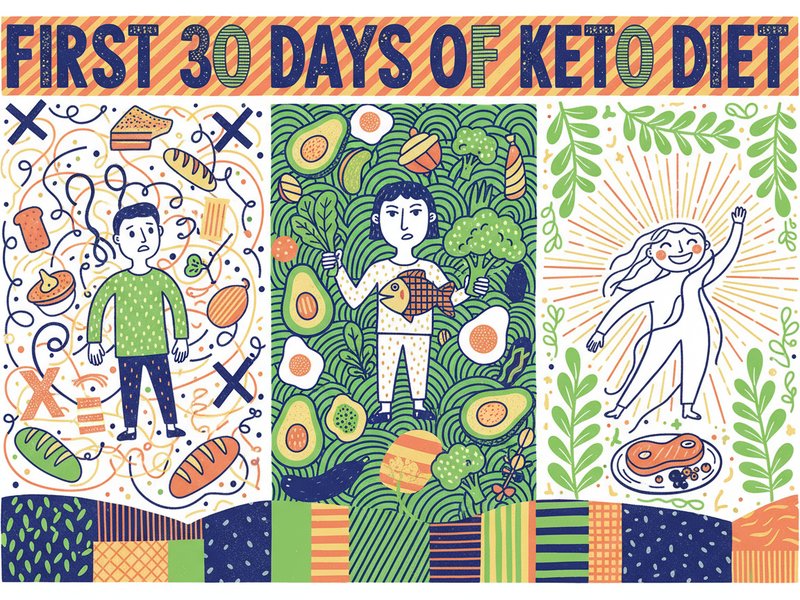
Your first 30 days typically unfold in distinct phases:
Days 1-3: Initial Water Weight Loss — You'll likely experience rapid weight loss (2-5 pounds) as your body depletes glycogen stores and releases associated water. Energy levels may feel normal or slightly elevated as you ride the motivation of starting something new. This phase feels easy because you haven't yet experienced metabolic transition.
Days 4-10: Keto Flu Peak — Most beginners encounter their most challenging period here. As glycogen depletes and ketone production ramps up, you might experience fatigue, headaches, irritability, mental fog, and physical weakness. This temporary adaptation phase is your body learning to efficiently produce and utilize ketones. Proper electrolyte management significantly reduces these symptoms.
Days 11-21: Gradual Improvement — Energy begins stabilizing, though you might still experience intermittent fatigue or brain fog. Physical performance remains below baseline, particularly for high-intensity activities. However, appetite typically decreases notably during this phase as ketosis suppresses hunger hormones. Mental clarity starts emerging in brief glimpses.
Days 22-30: Finding Your Rhythm — By week four, most beginners feel significantly better. Energy levels approach or exceed pre-keto baseline, mental clarity becomes consistent, and appetite regulation feels effortless. Physical performance begins recovering, though complete adaptation for athletic activities requires 6-12 weeks. You've established meal patterns and learned to navigate common situations.
Individual experiences vary considerably based on previous diet, metabolic health, activity level, and electrolyte management. Some fortunate beginners sail through adaptation with minimal discomfort, while others struggle for several weeks before experiencing benefits.
The "Keto Flu" - What It Is and How to Minimize It
The infamous "keto flu" isn't actually influenza—it's a collection of temporary symptoms resulting from metabolic transition and electrolyte depletion. Understanding the underlying mechanisms helps you prevent or minimize this uncomfortable adaptation phase.
When you drastically reduce carbohydrate intake, your body rapidly depletes glycogen stores. Each gram of glycogen binds approximately 3-4 grams of water, so glycogen depletion causes significant water loss. This water carries electrolytes—primarily sodium, potassium, and magnesium—which become depleted unless actively replaced.

Common keto flu symptoms include:
- Headaches and mental fog
- Fatigue and low energy
- Irritability and mood swings
- Muscle cramps and weakness
- Dizziness upon standing
- Difficulty concentrating
- Nausea and digestive discomfort
- Sleep disturbances
The good news? Keto flu is largely preventable through proper electrolyte management. Here's your evidence-based prevention protocol:
Sodium supplementation: Consume 4,000-6,000mg sodium daily during your first weeks. Add 1-2 teaspoons of high-quality sea salt to your water throughout the day, or drink bone broth. Don't fear salt—insulin levels drop dramatically on keto, reducing sodium retention by your kidneys. You need significantly more sodium than on a high-carb diet.
Potassium optimization: Target 3,000-4,000mg potassium daily through food sources like avocados, spinach, salmon, and mushrooms. Consider a potassium chloride salt substitute (like Nu-Salt) to boost intake. Adequate potassium prevents muscle cramps and supports proper nerve function.
Magnesium supplementation: Take 300-400mg magnesium daily, preferably as magnesium glycinate for optimal absorption. Magnesium supports hundreds of enzymatic processes, including energy production and muscle function. Many people are deficient even before starting keto.
Hydration without overhydration: Drink when thirsty, but don't force excessive water consumption. Overhydration dilutes electrolytes further, worsening symptoms. Aim for pale yellow urine as a general hydration indicator.
Gradual carb reduction: If you're particularly sensitive, consider reducing carbs gradually over 1-2 weeks rather than jumping immediately to 20g daily. This gentler transition allows more gradual metabolic adaptation, though it delays entering ketosis.
With proper electrolyte management, many beginners bypass keto flu entirely or experience only mild, brief symptoms. Don't suffer unnecessarily—aggressive electrolyte supplementation is the single most effective intervention for comfortable keto adaptation.
When You'll Start Seeing Results
Beginners often focus exclusively on weight loss results, but keto produces multiple types of improvements on different timelines. Understanding these distinct benefit categories helps you recognize progress even when the scale doesn't move as quickly as expected.
Immediate results (Days 1-7):
- Water weight loss: 3-7 pounds typically in first week
- Reduced bloating and inflammation
- Decreased appetite and food cravings
- Initial improvements in blood sugar stability
Short-term results (Weeks 2-4):
- Sustained fat loss: 1-2 pounds per week on average
- Emerging mental clarity and cognitive improvements
- More stable energy throughout the day
- Reduced hunger and effortless appetite control
- Improved sleep quality for many individuals
Medium-term results (Weeks 5-12):
- Continued fat loss with improved body composition
- Consistent mental performance and focus
- Recovery of athletic performance to baseline or better
- Noticeable changes in how clothes fit
- Potential improvements in metabolic markers (triglycerides, HDL cholesterol, blood pressure)
Long-term results (3+ months):
- Full fat adaptation with efficient ketone utilization
- Sustained weight maintenance with minimal effort
- Potential therapeutic benefits for specific conditions
- Established lifestyle integration and habit formation
Individual results vary significantly based on starting point, adherence consistency, overall caloric intake, activity level, sleep quality, and stress management. Someone with 100 pounds to lose will experience faster initial weight loss than someone with 15 pounds to lose. Pre-diabetic individuals might see dramatic blood sugar improvements, while metabolically healthy individuals notice more subtle changes.
The most important metric isn't the scale—it's how you feel. Many beginners report life-changing improvements in energy, mental clarity, and appetite regulation even when weight loss is modest. These quality-of-life enhancements often matter more than pounds lost, particularly for those pursuing keto for cognitive or metabolic benefits rather than purely aesthetic goals.
Essential Keto Basics Every Beginner Needs to Know
Before starting keto, you need foundational knowledge about how this approach works and why specific guidelines exist. Understanding the "why" behind keto principles helps you make informed decisions and troubleshoot challenges effectively.
The ketogenic diet fundamentally changes your body's fuel source from glucose (sugar) to ketones (fat-derived molecules). This metabolic state, called nutritional ketosis, occurs when carbohydrate intake drops low enough that your liver begins converting fatty acids into ketone bodies. These ketones then fuel your brain, muscles, and organs efficiently.
Achieving and maintaining ketosis requires keeping carbohydrate intake very low—typically under 20-50g net carbs daily for most people. This strict limitation forces your body into fat-burning mode. Higher carbohydrate intake, even from "healthy" whole food sources, prevents ketosis by providing sufficient glucose to meet energy needs.
Three foundational concepts every beginner must understand:
1. Ketosis is a metabolic state, not a magic solution: Simply eating low-carb doesn't guarantee results. You still need appropriate caloric intake, nutrient-dense food choices, proper sleep, stress management, and consistent adherence. Ketosis enhances fat burning and appetite control, but it doesn't override thermodynamics or lifestyle factors.
2. Fat becomes your primary fuel and food source: On keto, fat isn't something to fear—it's essential. You'll consume 70-75% of calories from fat, which requires mentally reframing decades of "low-fat" dietary messaging. Quality matters: prioritize avocados, olive oil, fatty fish, nuts, and grass-fed meats over processed seed oils and artificial fats.
3. Adaptation takes time and patience: Your first week doesn't represent the keto experience. Full metabolic adaptation requires 4-12 weeks as your body upregulates fat-burning enzymes, increases mitochondrial density, and optimizes ketone utilization. Judge keto after completing proper adaptation, not during the uncomfortable transition phase.
Understanding Your Macros
Macronutrients—fat, protein, and carbohydrates—form the foundation of ketogenic eating. Unlike many diets that focus solely on calories, keto requires specific macronutrient ratios to achieve and maintain ketosis.
The standard ketogenic macronutrient breakdown looks like this:
- Fat: 70-75% of total calories — Your primary energy source and largest caloric contributor. This high percentage seems shocking initially but becomes comfortable as you adapt to fat-burning metabolism.
- Protein: 20-25% of total calories — Sufficient for muscle maintenance and metabolic functions without triggering significant gluconeogenesis (conversion of protein to glucose). Most people need 0.7-1.0g protein per pound of lean body mass.
- Carbohydrates: 5-10% of total calories — Strictly limited to maintain ketosis. For most people, this translates to 20-50g net carbs daily, with 20-30g being the most reliable target for consistent ketosis.
Let's make this concrete with an example. A person eating 2,000 calories daily would target approximately:
- Fat: 155g (1,400 calories, 70%)
- Protein: 125g (500 calories, 25%)
- Carbohydrates: 25g (100 calories, 5%)
Use this calculator to determine your personalized macros based on your individual characteristics and goals:
{{MACROS_CALCULATOR}}These ratios provide starting points, not absolute rules. Some individuals maintain ketosis at 50g carbs daily, while others require under 20g. Athletic individuals might increase protein slightly for muscle preservation. The key is finding your personal threshold through experimentation and monitoring.
A crucial distinction: focus on net carbs (total carbohydrates minus fiber) rather than total carbohydrates. Fiber doesn't significantly impact blood sugar or ketosis, so subtracting it provides a more accurate picture of metabolic impact. A food with 10g total carbs and 7g fiber contains only 3g net carbs—perfectly acceptable on keto.
Many beginners overcomplicate macro tracking initially. Start simple: keep carbs under 20-30g net daily, eat protein at each meal (palm-sized portions), and add fat until satisfied. As you become comfortable, you can refine ratios based on your response and goals.
Reading Labels for Hidden Carbs
Carbohydrates hide in unexpected places, and food manufacturers don't make identification easy. Developing label-reading skills helps you avoid accidental carb consumption that disrupts ketosis.
Start with the Nutrition Facts panel, specifically these sections:
Total Carbohydrates: This number includes all carb sources—sugars, fiber, and sugar alcohols. Don't stop here; you need to calculate net carbs.
Dietary Fiber: Subtract this completely from total carbohydrates. Fiber passes through undigested and doesn't impact blood sugar or ketosis.
Sugar Alcohols: Subtract half the sugar alcohol content from total carbs as a conservative estimate. Different sugar alcohols have varying glycemic impacts—erythritol has nearly zero, while maltitol significantly affects blood sugar.
Sugars: This counts toward your carb total and should be minimized. Watch for hidden sugars in sauces, dressings, and processed meats.
Now examine the ingredient list for red flag terms indicating hidden carbohydrates:
- Any word ending in "-ose" (glucose, fructose, dextrose, maltose)
- Syrups (corn syrup, rice syrup, maple syrup)
- Maltodextrin (high glycemic impact despite sometimes low carb count)
- Modified food starch or cornstarch
- Dextrin or maltodextrin
- Cane juice or evaporated cane juice
- Any fruit juice concentrate
Particularly sneaky carb sources that trip up beginners:
- Condiments and sauces: Ketchup, BBQ sauce, teriyaki sauce, and sweet chili sauce pack significant sugar. Two tablespoons of ketchup contains 8g carbs. Read every label.
- Processed meats: Sausages, deli meats, and bacon often contain added sugars, fillers, and starches. Choose minimally processed options or verify carb content.
- Dairy products: Milk contains lactose (milk sugar), with 12g carbs per cup. Even small amounts in coffee add up. Yogurt varies dramatically—Greek yogurt has fewer carbs than regular, but fruit-flavored versions are loaded with sugar.
- Medications and supplements: Pills, liquids, and gummy vitamins often contain sugar or starch fillers. Check labels or ask your pharmacist about carb content.
- "Low-fat" products: Manufacturers replace fat with sugar and starches for palatability. Low-fat salad dressings often contain more carbs than full-fat versions.
- Restaurant foods: Sauces, gravies, and coatings frequently contain flour, cornstarch, or sugar. Don't assume grilled chicken is safe—it might be marinated in sugar-containing sauces.
Develop a habit of scanning labels before purchasing anything packaged. After a few weeks, you'll internalize which brands and products fit your macros, making shopping faster and more intuitive. When in doubt about a food's carb content, look it up or avoid it—the stakes are high when maintaining ketosis requires such strict carb limitation.
Step-by-Step Guide to Starting Keto
Transitioning to a ketogenic diet requires systematic preparation and execution. Following these structured steps helps you start confidently while avoiding common beginner pitfalls.
Step 1: Conduct a Pantry and Refrigerator Audit
Remove or relocate high-carb foods that will sabotage your efforts during vulnerable moments. Donate, give away, or store out of sight: bread, pasta, rice, cereals, chips, crackers, cookies, candy, sweetened beverages, and high-sugar condiments. Creating a keto-friendly environment dramatically increases adherence success. If family members aren't joining you, designate specific cabinets or shelves for their foods to minimize temptation.
Step 2: Stock Your Kitchen with Keto Essentials
Shop for foundational keto foods that will form your meal base for the first weeks. Focus on:
Proteins: Eggs (several dozen), fatty fish (salmon, mackerel), chicken thighs, ground beef, bacon, pork chops, and any meats you enjoy.
Healthy Fats: Avocados, olive oil, coconut oil, grass-fed butter, MCT oil (optional but helpful for ketone production), nuts (almonds, macadamias, pecans), and nut butters.
Low-Carb Vegetables: Spinach, kale, broccoli, cauliflower, zucchini, bell peppers, mushrooms, asparagus, and leafy greens.
Dairy: Full-fat cheese, heavy cream, cream cheese, and full-fat Greek yogurt (in moderation).
Condiments and Seasonings: Sea salt, potassium salt substitute, mayonnaise (check for sugar), mustard, hot sauce, and herbs/spices.

Step 3: Calculate Your Personal Macros
Use a reliable keto calculator to determine your specific macronutrient targets based on your height, weight, body composition, activity level, and goals. Write down these numbers and keep them easily accessible. Most beginners benefit from starting with standard ratios (70% fat, 25% protein, 5% carbs) and adjusting based on results and hunger signals after 2-3 weeks.
Step 4: Choose Your Tracking Method
Decide whether you'll track macros meticulously using apps like MyFitnessPal or Cronometer, or whether you'll follow a more intuitive approach focusing solely on keeping carbs under 20g daily. Beginners often benefit from detailed tracking initially to understand portion sizes and hidden carbs, then transitioning to intuitive eating once educated.
Step 5: Prepare Electrolyte Supplementation
Purchase high-quality sea salt, potassium chloride salt substitute (Nu-Salt or similar), and magnesium glycinate supplements. Mix 1 teaspoon of sea salt and 1/2 teaspoon potassium salt into a large water bottle and sip throughout each day. Take magnesium before bed. This proactive approach prevents keto flu rather than reacting to symptoms after they develop.
Step 6: Plan Your First Week of Meals
Reduce decision fatigue by planning 3-5 simple meals you'll rotate throughout your first week. Simplicity trumps variety when learning. Example meal rotation: scrambled eggs with cheese and avocado for breakfast, bunless burgers with side salad for lunch, and grilled salmon with roasted broccoli for dinner. Prep ingredients in advance—chop vegetables, cook proteins in batches, and hard-boil eggs.
Step 7: Set Your Official Start Date
Choose a start date that doesn't coincide with major social events, travel, or high-stress periods. Weekends work well for many people since you have time to shop, prep, and adjust without work pressures. Mark your calendar and commit publicly to an accountability partner or community if helpful for your personality type.
Step 8: Begin Tracking and Monitoring
On day one, begin tracking your food intake, body weight, measurements, and how you feel (energy, hunger, mental clarity). Take before photos if pursuing body composition changes. This baseline data helps you evaluate progress objectively rather than relying on unreliable subjective memory. Consider tracking ketones using urine strips or a blood ketone meter if you want objective confirmation of ketosis, though this isn't necessary for everyone.
Step 9: Navigate the First Week with Compassion
Expect the first week to feel challenging as you adapt to new meal patterns, manage cravings, and potentially experience keto flu symptoms. Practice self-compassion—you're undertaking significant metabolic change, and discomfort is temporary. Focus on compliance rather than perfection. If you accidentally consume more carbs than intended, simply return to your plan at the next meal without self-criticism or attempts to "compensate."
Step 10: Evaluate and Adjust After Two Weeks
After 14 days, assess your experience honestly. How do you feel? Are you experiencing sustained ketosis (you can test or judge by decreased hunger and increased energy)? Do your macros feel satisfying, or are you constantly hungry? Make data-driven adjustments to protein intake, fat consumption, or carb threshold based on your individual response. The "right" keto approach is the one that works sustainably for your unique body and lifestyle.
Common Beginner Mistakes and How to Avoid Them
Even well-intentioned beginners make predictable mistakes that derail progress or make keto unnecessarily difficult. Learning from others' experiences helps you bypass these common pitfalls.
Not Eating Enough Fat
Perhaps the most common beginner error: fearing fat despite following a high-fat diet. Decades of "low-fat" messaging create psychological resistance to embracing fat as your primary fuel source.
When you reduce carbs dramatically without increasing fat proportionally, you're left in metabolic limbo—neither glucose-fueled nor fat-adapted. You feel miserable: constantly hungry, low energy, irritable, and ready to quit. Your body has insufficient fuel from any source.
The solution requires consciously adding fat to every meal until you overcome ingrained fat-phobia. Practical strategies include:
- Cook with generous amounts of butter, ghee, or coconut oil
- Add avocado or full-fat cheese to every meal
- Choose fattier cuts of meat (chicken thighs over breasts, ribeye over sirloin)
- Include fat-based sauces like hollandaise, aioli, or alfredo
- Snack on macadamia nuts, pecans, or cheese rather than low-fat options
- Add heavy cream to coffee or use MCT oil
Many beginners report that once they overcome psychological resistance and truly embrace adequate fat intake, keto becomes dramatically easier. Hunger vanishes, energy stabilizes, and the approach feels sustainable rather than restrictive.
Forgetting About Electrolytes
We discussed keto flu prevention earlier, but this mistake deserves emphasis because it's both extremely common and completely avoidable. Most beginners dramatically underestimate their electrolyte needs on keto.
Your reduced insulin levels on keto cause your kidneys to excrete significantly more sodium than on a high-carb diet. Sodium loss triggers potassium and magnesium loss through various compensatory mechanisms. Without active supplementation, deficiency symptoms emerge quickly: headaches, fatigue, muscle cramps, brain fog, and heart palpitations.
The mistake isn't just forgetting to supplement—it's supplementing inadequately. One serving of bone broth or adding a pinch of salt to one meal doesn't meet your dramatically increased requirements. You need consistent, substantial electrolyte intake throughout each day.
Target these daily minimums during keto adaptation:
- Sodium: 4,000-6,000mg (approximately 2 teaspoons of salt)
- Potassium: 3,000-4,000mg (from food plus supplementation)
- Magnesium: 300-400mg (supplementation usually necessary)
Make electrolyte supplementation as routine as brushing your teeth. Keep a prepared electrolyte drink at your desk, take magnesium with dinner, and salt your food more liberally than feels comfortable initially. Your body genuinely needs this sodium—you're not "cheating" or being unhealthy by consuming adequate salt on keto.
Being Too Restrictive Too Quickly
Enthusiastic beginners sometimes combine keto with intermittent fasting, caloric restriction, intense exercise, and elimination of all processed foods simultaneously. This aggressive approach overwhelms your adaptive capacity and increases failure risk.
Sustainable change occurs through progressive adaptation, not extreme overnight transformation. Your body can handle carbohydrate reduction OR caloric restriction OR new exercise demands—handling all simultaneously during metabolic transition is unnecessarily difficult.
Start with carbohydrate restriction alone. Eat until satisfied without deliberately restricting calories. Maintain your current exercise routine rather than adding new demands. Once comfortably adapted to ketosis (4-6 weeks), consider layering additional optimizations like intermittent fasting or caloric restriction for fat loss.
Similarly, don't attempt "perfect" keto immediately. Yes, whole foods are ideal, but if using low-carb tortillas or sugar-free sweeteners helps you stay compliant during adaptation, that's perfectly acceptable. You can refine food quality after establishing sustainable keto habits. Compliance beats perfection every time.
Other common mistakes to avoid:
- Eating too much protein: Excess protein can convert to glucose through gluconeogenesis, potentially disrupting ketosis. Stick to moderate protein intake (20-25% of calories).
- Obsessing over ketone levels: Deep ketosis (high blood ketone readings) doesn't necessarily mean better results. Some people achieve excellent outcomes at 0.5-1.0 mmol/L, while others show 3.0+ mmol/L. What matters is how you feel and your outcome metrics, not arbitrary ketone numbers.
- Neglecting vegetables: Some beginners interpret "low-carb" as "no vegetables" and eat only meat, cheese, and oils. This approach lacks essential nutrients, fiber, and phytonutrients. Include generous portions of low-carb vegetables at most meals.
- Ignoring hunger signals: While decreased appetite is common in ketosis, don't ignore genuine hunger. Eat when hungry, stop when satisfied. Under-eating chronically can slow metabolism and make adherence unsustainable.
- Quitting during adaptation: The first two weeks feel rough for many people. This temporary discomfort doesn't represent the keto experience—it represents metabolic transition. Judge keto after completing 4-6 weeks of proper adaptation, not during the challenging initial phase.
Simple Keto Meal Ideas for Your First Week
Complexity derails beginners faster than anything else. These dead-simple meal ideas require minimal cooking skills, use common ingredients, and deliver solid macros without requiring precise measurement or complicated techniques.
Breakfast Option 1: Scrambled Eggs with Cheese and Avocado
Scramble 3 eggs in butter, add shredded cheddar cheese while cooking, and serve with half an avocado on the side. Total time: 5 minutes. Macros: ~400 calories, 30g fat, 25g protein, 5g net carbs.
Breakfast Option 2: Full-Fat Greek Yogurt Bowl
1 cup full-fat Greek yogurt topped with 2 tablespoons chopped pecans, a few fresh berries (raspberries or blackberries), and a drizzle of sugar-free maple syrup or a sprinkle of cinnamon. Total time: 2 minutes. Macros: ~300 calories, 20g fat, 20g protein, 8g net carbs.
Lunch Option 1: Bunless Burger with Side Salad
6 oz ground beef patty cooked and topped with cheese, bacon, lettuce, tomato, and mayonnaise. Serve with a side salad dressed with olive oil and vinegar. Total time: 15 minutes. Macros: ~600 calories, 48g fat, 40g protein, 7g net carbs.
Lunch Option 2: Chicken Caesar Salad
Rotisserie chicken breast over romaine lettuce with Caesar dressing (check for sugar), parmesan cheese, and a few olives. Add avocado for extra fat. Total time: 5 minutes with pre-cooked chicken. Macros: ~450 calories, 32g fat, 35g protein, 6g net carbs.
Dinner Option 1: Grilled Salmon with Roasted Broccoli
6 oz salmon fillet brushed with olive oil and grilled or baked. Serve with broccoli roasted in olive oil and garlic. Total time: 25 minutes. Macros: ~500 calories, 35g fat, 40g protein, 8g net carbs.
Dinner Option 2: Pork Chops with Cauliflower Mash
Pan-fried pork chop cooked in butter. Serve with cauliflower "mashed potatoes" made by steaming cauliflower and mashing with butter, cream cheese, and salt. Total time: 30 minutes. Macros: ~550 calories, 40g fat, 38g protein, 7g net carbs.
Dinner Option 3: Zucchini Noodle Bolognese
Ground beef cooked with sugar-free marinara sauce served over spiralized zucchini noodles (buy pre-spiralized to save time). Top with parmesan cheese and fresh basil. Total time: 20 minutes. Macros: ~480 calories, 35g fat, 32g protein, 9g net carbs.
Snack Ideas When Needed:
- String cheese with a handful of almonds
- Celery sticks with almond butter
- Pork rinds with guacamole
- Hard-boiled eggs with everything bagel seasoning
- Olives and cubed full-fat cheese
- Pepperoni slices with cream cheese
Notice the simplicity theme: most meals involve a protein source, a fat source, and low-carb vegetables. You're not creating gourmet keto recreations of high-carb foods—you're eating real, whole foods prepared simply. This approach is sustainable, affordable, and successful.
As you become comfortable, expand your repertoire with more complex recipes. But during your first week? Keep it simple, keep it compliant, and build confidence through repeated successful meal execution.
When to Seek Support or Professional Guidance
While many healthy individuals can safely start keto independently, certain situations warrant professional medical supervision or specialized support.
Definitely consult healthcare providers before starting keto if you:
- Take medications for diabetes: Keto dramatically lowers blood sugar, potentially causing dangerous hypoglycemia if insulin or other diabetes medications aren't adjusted appropriately. Work with your doctor to adjust dosing as your blood sugar improves.
- Have a history of kidney disease: While moderate protein intake on keto isn't inherently problematic, individuals with compromised kidney function require medical supervision and potentially modified protein targets.
- Take blood pressure medications: Keto often lowers blood pressure significantly. If you're medicated for hypertension, you may need dosage adjustments to avoid hypotension (excessively low blood pressure).
- Have a history of eating disorders: The restrictive nature and detailed tracking involved in keto can trigger disordered eating patterns in susceptible individuals. Work with a therapist specializing in eating disorders before attempting restrictive diets.
- Are pregnant or breastfeeding: While some practitioners support ketogenic approaches during pregnancy and lactation, this requires specialized medical guidance. Don't attempt keto during pregnancy without explicit supervision from your obstetric provider.
- Have certain genetic conditions: Rare genetic disorders affecting fat metabolism make ketogenic diets dangerous. If you have known metabolic conditions, discuss keto with your specialist before starting.
Beyond medical supervision, consider seeking support from keto communities, coaches, or nutritionists if you:
- Feel overwhelmed by meal planning and tracking
- Struggle with persistent keto flu despite electrolyte supplementation
- Experience concerning symptoms (severe fatigue, heart palpitations, extreme mood changes)
- Don't achieve ketosis despite strict carb restriction
- Need accountability and motivation during adaptation
- Want personalized macro calculations and meal planning assistance
Online communities like Reddit's r/keto, Facebook keto groups, or structured programs like Protocol One provide valuable peer support, troubleshooting advice, and motivation during challenging adaptation phases. Sometimes knowing others have experienced similar struggles and succeeded makes all the difference in your own persistence.
Working with a certified nutritionist or health coach experienced in ketogenic approaches can accelerate your learning curve and help you avoid common mistakes. Professional guidance isn't a sign of weakness—it's strategic investment in your success.
Conclusion: Your Keto Decision Starts Here
So, is the keto diet good for beginners? The answer depends entirely on you—your health status, lifestyle, goals, and readiness for significant dietary change.
Keto can be transformative for beginners who match the ideal candidate profile: people seeking metabolic improvements, struggling with blood sugar instability, or pursuing mental clarity and sustained energy. If you enjoy cooking, appreciate structure, and can commit to 4-8 weeks of adaptation before judging results, keto might align perfectly with your needs.
However, keto isn't universally "best" for all beginners. If you have medical contraindications, engage in high-intensity athletics, prefer dietary flexibility, or feel overwhelmed by restrictive approaches, alternative protocols might serve you better initially. There's no shame in choosing a different path that better matches your current circumstances and readiness.
The key insights from this guide:
- Keto requires genuine metabolic adaptation over 4-12 weeks—judge results after proper adaptation, not during transition
- Electrolyte management is non-negotiable for comfortable keto flu prevention
- Fat consumption must genuinely increase to replace carbohydrate calories
- Simplicity beats complexity for sustainable adherence
- Common beginner mistakes are predictable and avoidable with proper education
- Medical supervision is essential for certain populations
If you've decided keto aligns with your goals and circumstances, commit fully to the adaptation process. Follow the step-by-step implementation guide, manage your electrolytes aggressively, keep meals simple during your first weeks, and practice self-compassion during challenging moments. Give your body the 4-6 weeks needed for proper fat adaptation before evaluating whether keto works for you.
Remember that keto is a tool, not a religion. It's perfectly acceptable to try keto, discover it doesn't suit your lifestyle or preferences, and choose a different approach. Health optimization is about finding sustainable strategies that work for your unique biology and circumstances—not forcing yourself into approaches that create more stress than benefit.
Your journey toward metabolic health and vitality matters more than the specific protocol you choose. Whether keto becomes your long-term approach or simply teaches you valuable lessons about carbohydrate management, you're investing in understanding your body and taking control of your health. That commitment itself is worth celebrating.
Ready to start? You now have everything you need: honest assessment criteria, realistic expectations, essential knowledge, step-by-step implementation guidance, and awareness of common pitfalls. The only remaining ingredient is your decision and commitment. Your 30-day keto experiment starts whenever you're ready.
Frequently Asked Questions
How long does it take to enter ketosis?
Most people enter nutritional ketosis within 2-4 days of restricting carbohydrates to under 20-30g net carbs daily. However, achieving ketosis and becoming fully fat-adapted are different. Full metabolic adaptation where you efficiently burn fat for fuel takes 4-12 weeks. You might produce ketones quickly, but optimal energy, performance, and appetite regulation emerge gradually over several weeks.
Can I exercise while starting keto?
Yes, but expect reduced performance initially. During the first 2-4 weeks of keto adaptation, most people experience decreased strength, endurance, and workout capacity. This temporary decline is normal—your body is learning to efficiently burn fat for fuel. Maintain your exercise routine but reduce intensity if needed. Performance typically returns to baseline or improves after 4-8 weeks of adaptation. Low-intensity activities like walking are well-tolerated throughout adaptation.
Will I lose muscle on keto?
Properly implemented keto preserves muscle mass effectively. Adequate protein intake (0.7-1.0g per pound of lean body mass), resistance training, and sufficient overall calories prevent muscle loss. In fact, the muscle-sparing effects of ketones may actually preserve lean tissue better than higher-carb diets during caloric restriction. The key is eating enough protein and maintaining strength training—keto itself doesn't cause muscle loss.
Can I drink alcohol on keto?
Some alcoholic beverages fit within keto macros, while others don't. Hard liquor (vodka, whiskey, gin, tequila) contains zero carbs and can be consumed in moderation. Dry wines (red or white) contain 3-4g carbs per glass and are occasionally acceptable. Beer and sweet cocktails pack significant carbs and should be avoided. However, alcohol temporarily halts fat burning as your liver prioritizes metabolizing alcohol. Drink sparingly for best results, and be aware that alcohol tolerance often decreases on keto.
What if I accidentally eat too many carbs?
Don't panic or attempt to compensate. Simply return to your normal keto eating at your next meal. One high-carb meal might temporarily kick you out of ketosis, but you'll re-enter within 24-48 hours by resuming carb restriction. Avoid the "I already messed up, might as well quit" mentality—a single deviation doesn't undo your progress. Learn from the experience (what triggered the overeating? how can you prepare differently next time?) and move forward without self-judgment.
Do I need to track macros forever?
Not necessarily. Many beginners benefit from detailed macro tracking for 4-8 weeks to understand portion sizes, identify hidden carbs, and learn what proper keto eating looks like. Once educated, many people transition to intuitive keto eating, focusing primarily on keeping carbs very low while eating protein and fat to satiety. However, if you're not achieving desired results with intuitive eating, returning to tracking helps identify issues. Use tracking as a tool when helpful, not a permanent requirement.
Is keto safe long-term?
Emerging research suggests ketogenic diets can be safely maintained long-term for many individuals, with some people following keto for years or decades. However, long-term safety depends on food quality, nutrient diversity, proper electrolyte management, and individual health status. Some practitioners recommend periodic "carb cycling" or planned refeeds for metabolic flexibility. Work with healthcare providers for regular monitoring of metabolic markers (lipid panels, kidney function, liver enzymes) if following keto long-term, especially if you have pre-existing health conditions.
Why am I not losing weight on keto?
Several factors can stall weight loss despite ketosis: consuming too many calories (keto doesn't override thermodynamics), eating too much protein (excess converts to glucose), not actually achieving ketosis (hidden carbs), chronic stress elevating cortisol, poor sleep disrupting hormones, or having unrealistic timeline expectations (weight loss slows after initial water loss). Track your food intake
Supporting Articles
- Ketogenic diet has a positive association with mental and emotional well-being in the general population (2024) - PubMed
- Effects of a Ketogenic Diet on Body Composition in Healthy, Young, Normal-Weight Women: A Randomized Controlled Feeding Trial (2024) - PubMed
- The Effects of Ketogenic Diet on Insulin Sensitivity and Weight Loss, Which Came First: The Chicken or the Egg? (2023) - PubMed